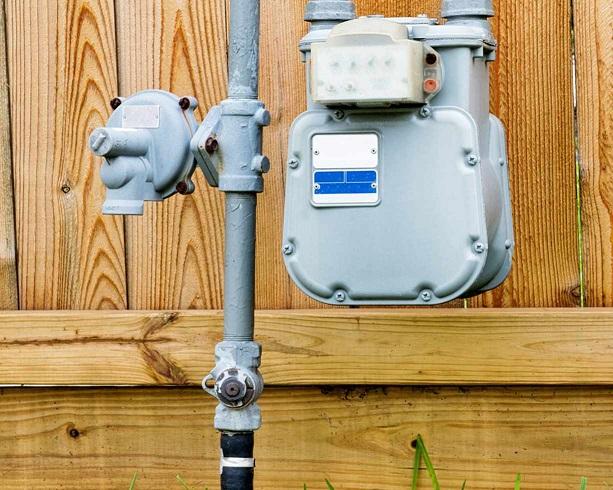
This article explains how to use a gas shut-off valve safely and correctly, providing detailed guides for home gas supply valves and for emergency shut-off situations. Gas shut-off valves allow you to stop natural gas or propane flow to appliances or your entire home, helping prevent leaks, fires, or explosions.
What is a Gas Shut-Off Valve?
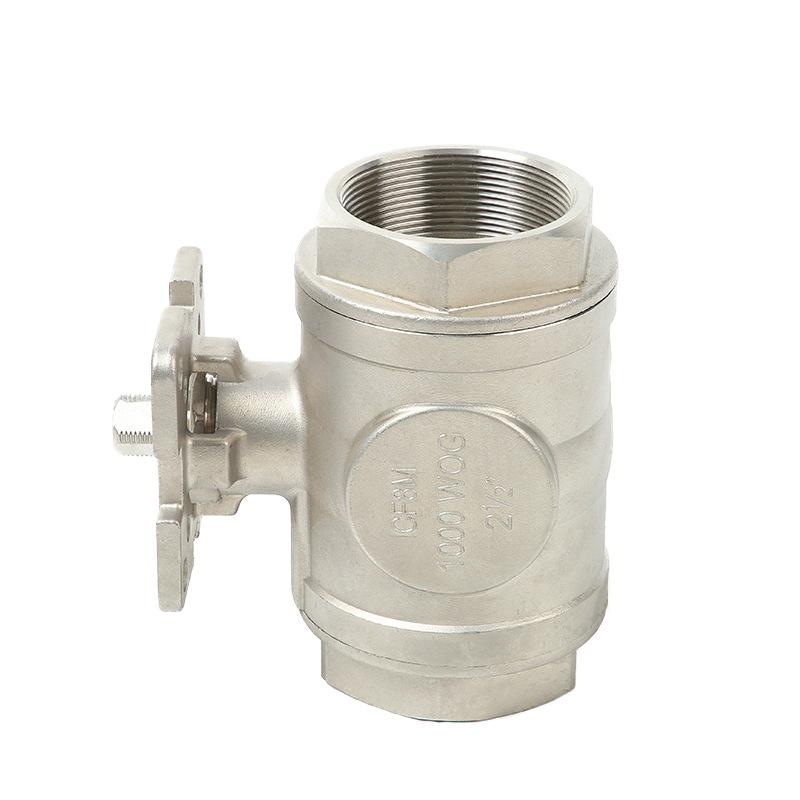
A gas shut-off valve is a mechanical device installed on a natural gas or propane line that allows you to manually stop the flow of gas. These valves are found near gas meters, at gas appliances (like stoves or water heaters), and sometimes outside the home for emergency access.
Gas shut-off valves are an essential safety feature. When turned off, the valve blocks the fuel supply, preventing gas leaks or feeding a fire. Every home with natural gas should have at least one accessible main shut-off valve.
How to Turn Off Your Gas Shut-Off Valve
Turning off the gas shut-off valve is simple, but it must be done safely. Here’s a guide to switching off the main gas supply to your home.
-
Locate the main gas valve
The valve is typically next to your gas meter. Outdoor meters have a rectangular valve stem; indoor valves may be small, round, and near the entry pipe. -
Identify the valve position
Most shut-off valves follow a simple rule:
• Parallel to the pipe = ON
• Perpendicular to the pipe = OFF -
Use a wrench if needed
Many main valves require a wrench or a specialized gas shut-off tool. Appliance valves can usually be turned by hand. -
Turn the valve 90 degrees
Rotate the valve until it is perpendicular to the gas pipe. This stops gas flow instantly. -
Check for the smell of gas
If you previously detected a leak, step away from the home and call your gas company or emergency services.
Types of Gas Shut-Off Valves
Gas valves come in several designs, each suited to different applications.
| Valve Type | Description | Common Use |
|---|---|---|
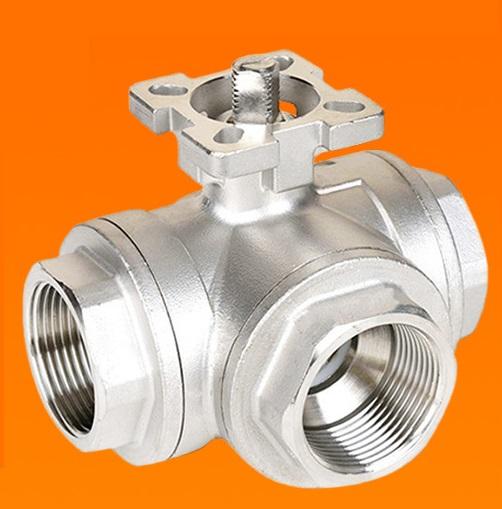
| Ball Valve | Uses a rotating steel ball; easy to see ON/OFF position | Main gas line, outdoor meters |
| Gate Valve | Uses a metal gate; slower to close | Older home installations |
| Appliance Valve | Small hand-turn valve | Stoves, dryers, furnaces |
| Automatic Seismic Valve | Closes during an earthquake | Earthquake-prone regions |
How to Turn Off a Gas Valve in an Emergency
If you smell gas or hear a hissing noise, follow these steps immediately. Gas leaks are dangerous and require quick action.
- Do NOT use switches or electronics Avoid turning lights on/off or using your phone inside the home.
- Evacuate the area Get everyone outside to safety.
- Shut off the main gas valve Turn it perpendicular to the pipe.
- Call your gas provider or emergency services Do not attempt to turn the gas back on yourself. Only professionals should restore service.
How Reliable Are Gas Shut-Off Valves?
Gas shut-off valves are highly reliable and designed for long-term use, but they have limitations and require periodic inspection.
-
Durable Construction
Valves are built from brass or steel and last decades if not damaged. -
Fail-Safe Operation
Ball valves clearly show open/closed states, reducing mistakes. -
Low Maintenance
Most valves only require occasional testing or lubrication.
Potential issues include:
- Stuck Valves — Rust or dirt can make valves hard to turn.
- Old Gate Valves — More prone to failure than ball valves.
- Improper Installation — Only certified gas technicians should install or replace valves.
How to Test Your Gas Shut-Off Valve
Just like testing smoke alarms, you should test your gas valve occasionally (once or twice a year).
- Warn all household members Turning off gas may shut down water heaters or furnaces.
- Turn off the valve Rotate it perpendicular to the pipe.
-
Verify that appliances stop running
For example, gas ovens or heaters should immediately shut off. - Turn the valve back ON Restore gas flow and relight pilot lights if needed.
Automatic Shut-Off Systems
Some gas systems include automated safety shut-off technologies that close the valve under certain conditions.
| System | Trigger | Purpose |
|---|---|---|
| Seismic Shut-Off Valve | Earthquake vibration | Prevents leaks when pipes rupture |
| Excess-Flow Valve (EFV) | Sudden high gas flow | Stops gas if a line is cut |
| Smart Gas Shut-Off | Remote sensor / app control | Alerts and auto-closes on detection |
What Gas Shut-Off Valves Are Recommended?
A reliable shut-off valve should be UL-certified, corrosion-resistant, and rated for natural gas or propane. Below are common types used in residential installations.
| Model | Type | Material | Best Use |
|---|---|---|---|
| 1/4 Turn Brass Ball Valve | Ball Valve | Brass | Main line or appliances |
| CSST Shut-Off Valve | Ball Valve | Steel/Brass | Flexible gas piping systems |
| Seismic Automatic Valve | Seismic Trigger | Aluminum/Steel | Earthquake areas |
Where should a gas shut-off valve be located?
Gas shut-off valves must be installed in places where they are both accessible and safe to operate. Their placement follows residential building codes and utility company guidelines to ensure that anyone in the home—or an emergency responder—can quickly shut off gas when needed.
Below are the standard locations depending on the type of valve:
| Valve Type | Typical Location | Purpose |
|---|---|---|
| Main Gas Shut-Off Valve | Next to the gas meter (indoor or outdoor) | Shuts off gas for the entire home |
| Appliance Shut-Off Valve | Within 6 ft of the appliance, on the supply line | Turns off gas to a single appliance like a stove or furnace |
| Seismic / Earthquake Valve | Installed on the main supply line, typically outdoors | Automatically closes during strong vibrations |
For safety and convenience, shut-off valves must not be hidden behind walls, buried in cabinets, or obstructed by heavy appliances. If you cannot easily access your valve, a licensed gas technician should relocate or make adjustments so that you can reach it quickly in an emergency.
- Outdoor meters: The valve is usually on the left or right side of the meter.
- Indoor meters: Found near the gas entry point of the basement or utility room.
- Stove/oven valves: Behind or below the appliance but not fully concealed.
- Water heaters: Installed on the rigid or flexible pipe above the heater.
If you are unsure where your valve is located, your gas provider can assist you at no cost. Every household member should know where the main shut-off valve is and how to operate it.
How to tell if a gas valve is open or closed?
Most modern gas shut-off valves follow a simple visually intuitive rule to indicate whether they are open or closed. This is essential to avoid accidental gas flow or mistakenly turning off appliances.
The universal rule:
- Handle parallel to the pipe = Gas ON (Open)
- Handle perpendicular to the pipe = Gas OFF (Closed)
This applies primarily to ball valves, which are the most common type in homes today. However, older homes may have gate valves, which look like a round knob. For these:
- Turn the round knob **clockwise** to close the valve.
- Turn **counterclockwise** to open it.
If your valve does not clearly show a handle position or appears damaged, call a qualified technician. Do not attempt to force a stuck valve—doing so could cause a leak or break the gas line.
How does a gas shut-off valve work?
A gas shut-off valve uses a mechanical mechanism to start or stop the flow of gas through a pipeline. Although designs vary, the internal principles are similar: the valve contains a moving component—either a ball, gate, or diaphragm—that blocks or opens the gas passage when the handle is turned.
Here is how the most common types work:
Ball Valve (Most Common)
Inside the valve is a hollow metal ball with a hole through the center. When you turn the handle:
- Turning the handle **parallel** rotates the hole in line with the pipe → gas flows freely.
- Turning the handle **perpendicular** rotates the solid side of the ball over the opening → gas is blocked.
Gate Valve (Older Systems)
These contain a flat internal "gate" that lowers or raises to block or allow gas flow:
- Turning knob **clockwise** lowers the gate → closes the valve.
- Turning knob **counterclockwise** raises it → opens the valve.
Automatic Seismic Valve
These valves contain a weighted mechanism. When strong vibrations occur (such as an earthquake), the weight shifts and triggers closure.
Regardless of type, a gas valve is designed with tight seals to prevent leaks. Ball valves, in particular, offer near-perfect sealing and require minimal maintenance, making them the standard in modern homes.
What direction should I push the gas shut-off valve?
The direction depends on the type of valve, but most residential valves use a **90-degree quarter-turn** motion.
For standard ball valves:
- Turn the handle a quarter turn (90°) so it becomes perpendicular to the pipe → OFF.
- Turn it back parallel to the pipe → ON.
For round-knob gate valves (older homes):
- Clockwise = OFF (righty tighty)
- Counterclockwise = ON (lefty loosey)
If the valve requires excessive force, stop immediately. Forcing a stuck valve can cause pipe damage or create a leak. Apply a small amount of appropriate lubricant or contact a licensed professional to service or replace the valve.
Can a gas valve cause a gas leak?
Yes. Although gas shut-off valves are designed for safety, they can cause leaks if they become damaged, worn, or improperly installed. Most leaks occur around the valve stem, threaded connections, or internal seals.
Common causes of gas valve leaks include:
- Corrosion — Moisture or age can deteriorate the valve body.
- Loose fittings — Threads may loosen due to vibration or poor installation.
- Worn internal seals — Rubber or Teflon seals can degrade over time.
- Physical damage — Forceful turning or accidents may crack the valve housing.
- Old gate valves — More prone to leaking around the stem.
Even small leaks are dangerous and require immediate attention. Signs include the smell of sulfur or rotten eggs, hissing sounds near the valve, dizziness, or dead vegetation around buried lines.
What to do if you suspect a leak:
- Do not use lights, electronics, or phones inside the building.
- Evacuate immediately.
- Shut off the main gas valve from outside if safe to do so.
- Call your gas provider or emergency services.
Never attempt to repair or replace a gas valve yourself unless you are a licensed professional. Gas systems require precise sealing and pressure testing to ensure safety.
How to Tell if Your Gas Valve Needs Replacement
Signs that a valve is failing or unsafe include:
- Difficulty turning the valve
- Visible rust or corrosion
- Gas smell when valve is touched
- Loose or wobbly valve stem
- Old gate-style valve (outdated)
If any issues appear, call a licensed gas technician immediately.
Conclusion
Understanding how a gas shut-off valve works—and knowing how to use it—can protect your home and family from dangerous leaks or fires. With proper installation, testing, and maintenance, a gas shut-off valve is a dependable and essential safety device for any gas-powered home.