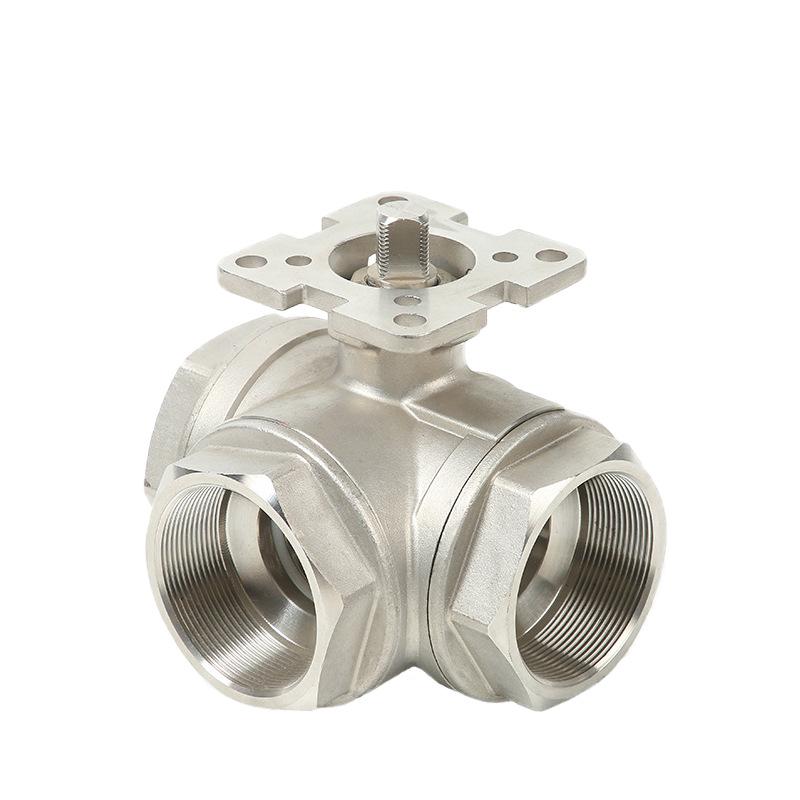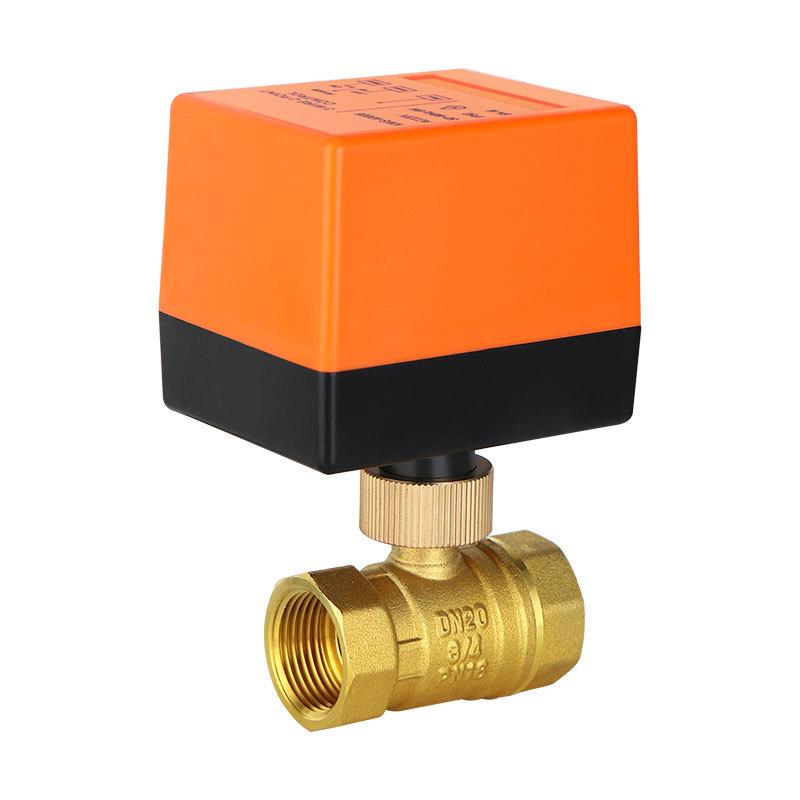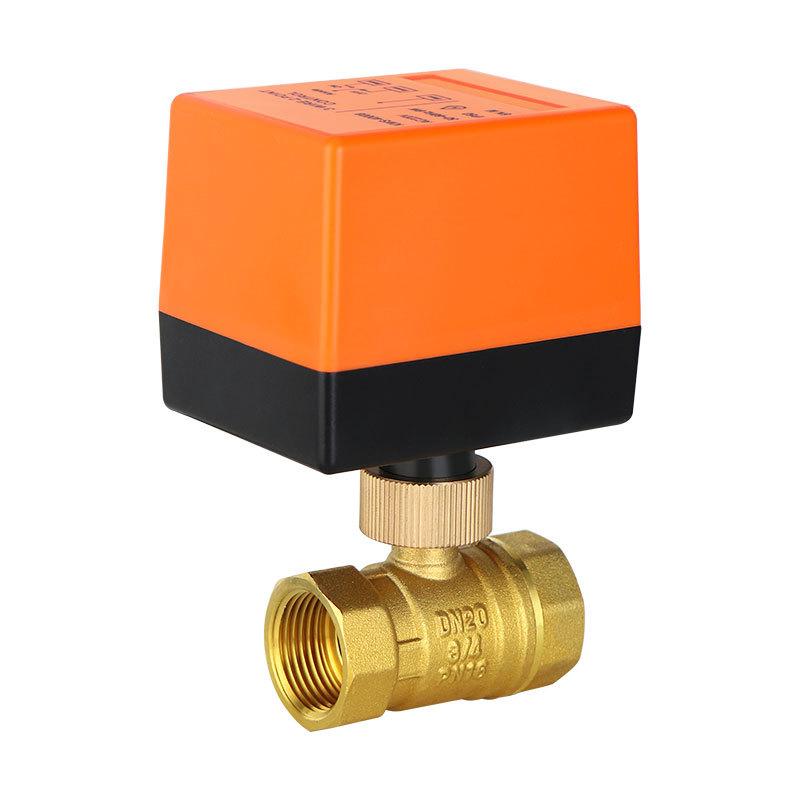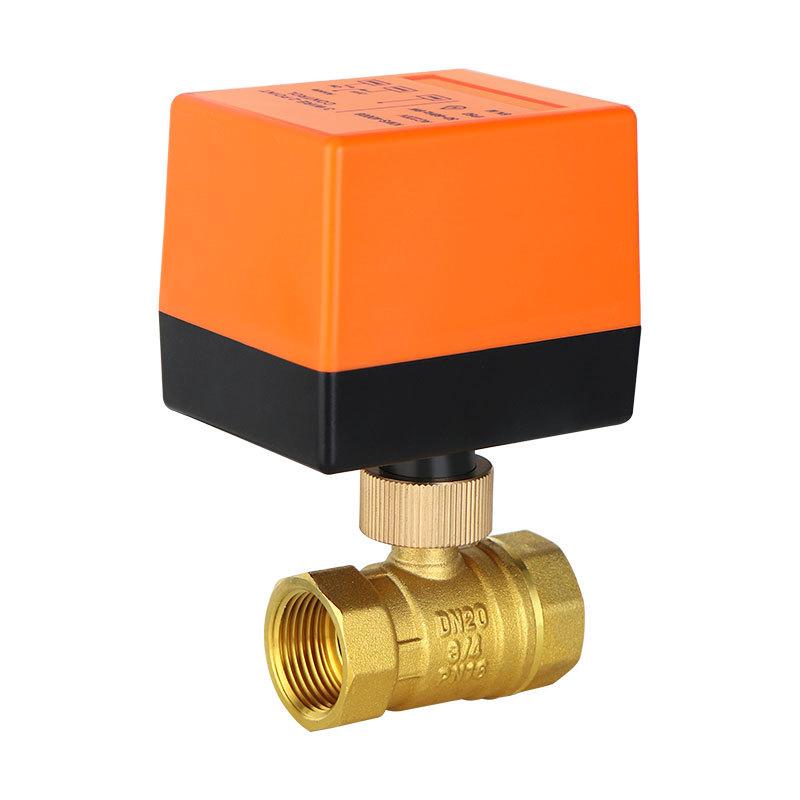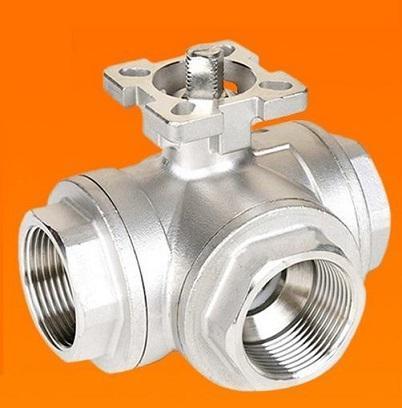
This article provides a comprehensive overview of ball valves, explaining their structure, functionality, applications, and the various types and features that make them indispensable in residential, commercial, and industrial fluid control systems.
What is a ball valve
A ball valve is a type of flow control device that uses a hollow, rotating ball to regulate the passage of liquids or gases. The ball inside the valve has a hole (known as a port) through the center. When the handle is turned, the ball rotates, allowing the port to align with the flow path for full flow or perpendicular to it for complete shutoff.
Ball valves are known for their simple operation, fast actuation, and excellent sealing performance. They are common in plumbing, industrial pipelines, gas distribution networks, and water treatment systems.
The key components of a typical ball valve include:
- Valve Body: The main casing that encloses the internal components.
- Ball: A spherical component with a central bore that rotates to open or close the valve.
- Seats: Sealing rings (often PTFE) that ensure a leak-free seal between the ball and the body.
- Stem: A shaft connecting the ball to the handle or actuator.
- Handle or Actuator: Allows the user to manually or automatically rotate the ball.
How does a ball valve work?
Ball valves operate through a simple and intuitive mechanism. When the handle is aligned parallel to the pipe, the internal ball’s bore aligns with the flow path, allowing fluid to pass freely. Rotating the handle 90 degrees turns the ball so the bore is perpendicular to the pipe, blocking the flow completely.
This is why ball valves are often called quarter-turn valves.
- Open Position: Ball’s bore parallel to flow → full flow.
- Closed Position: Bore perpendicular → complete shutoff.
- Intermediate Positions: Some ball valves can regulate flow, although not as precisely as globe valves.
Because the motion is minimal and the sealing surfaces typically self-clean, ball valves offer excellent durability, reduced maintenance, and reliable sealing performance even after years of service.
Features of ball valves
Ball valves have several characteristics that make them popular across different industries. Key features include:
-
Quick Operation
Only a 90-degree turn is required to fully open or close the valve, allowing for fast action in emergency situations. -
Tight Sealing
Soft seats (PTFE, nylon) provide bubble-tight sealing, preventing leakage even under high pressure. -
Durability
Ball valves have fewer moving parts, reducing wear and long-term maintenance. -
Versatility
Available in brass, stainless steel, PVC, PPR, and industrial alloys, suitable for water, gas, oil, chemicals, and steam. -
Low Pressure Drop
The straight-through flow design minimizes turbulence and pressure loss. -
Wide Range of Sizes
From tiny 1/4-inch valves for small appliances to large industrial valves exceeding 24 inches.
What is the most common application for a ball valve?
The most common application for ball valves is on/off control of water and gas flow in residential and commercial plumbing systems. Their reliability, tight sealing, and ease of use make them ideal for situations requiring quick shutoff.
Common applications include:
- Home water supply lines (sinks, toilets, washing machines)
- Gas supply systems for stoves and heaters
- Irrigation systems and garden water lines
- HVAC systems for chilled and hot water loops
- Industrial pipelines carrying oil, chemicals, or pressurized fluids
- Water heater isolation and maintenance lines
Due to their reliability and quick actuation, ball valves are also widely used in emergency shutoff points where rapid response is crucial.
How to tell if a ball valve is open?
Determining whether a ball valve is open or closed is straightforward because the handle position indicates the ball’s orientation.
-
Handle Parallel to Pipe = OPEN
The internal bore aligns with the flow path, allowing fluid to pass. -
Handle Perpendicular to Pipe = CLOSED
The ball blocks the passage completely.
Many ball valves also include a flow direction indicator or a notch on the handle corresponding to the internal port orientation. In industrial settings, valves may have additional indicators, tags, or automation status signals.
Is a ball valve a shut-off valve?
Yes. A ball valve is one of the most widely used types of shut-off valves. Its ability to stop fluid flow instantly with a quarter-turn makes it more user-friendly and reliable than older gate valves or globe valves.
Ball valves are preferred for shut-off applications because they offer:
- Fast action—only 90-degree turn required
- Excellent sealing—reduces leakage risk
- Long service life—minimal wear on internal components
- Resistance to corrosion (depending on material)
Common shut-off applications:
- Emergency water shutoff
- Main household water line isolation
- Gas shutoff valves
- Industrial process lines
- Fire protection systems
Are ball valves used for gas?
Yes, ball valves are widely used for both natural gas and liquefied petroleum gas (LPG) systems. Many jurisdictions require approved ball valves for gas shutoff due to their reliability and tight sealing capabilities.
Gas-rated ball valves are typically made of brass or stainless steel and may include additional safety features such as:
- ISO-certified gas markings
- Blow-out-proof stems
- High-temperature seals
- Anti-static grounding features
They are commonly found in household gas meters, stoves, water heaters, industrial gas pipelines, and commercial kitchen setups.
Types of ball valves
Ball valves come in various configurations depending on their design, number of ports, and method of actuation. Below is an overview of the most common types.
Based on Body Design
- One-piece ball valves: Compact and inexpensive, ideal for basic shut-off applications.
- Two-piece ball valves: Easier to maintain, widely used for home plumbing and gas systems.
- Three-piece ball valves: Designed for industrial use, allows easy cleaning and replacement without removing the valve body from the pipeline.
Based on Port Type
- Full-port ball valves: No restriction on flow—best for low pressure drop.
- Standard-port ball valves: Smaller internal diameter, suitable for general applications.
- Reduced-port ball valves: Used where flow restriction is acceptable.
Based on Flow Path
- Two-way ball valves: On/off flow control.
- Three-way ball valves (L- or T-port): Used for mixing, diverting, and flow direction control.
Based on Actuation Method
- Manual ball valves: Operated with a handle.
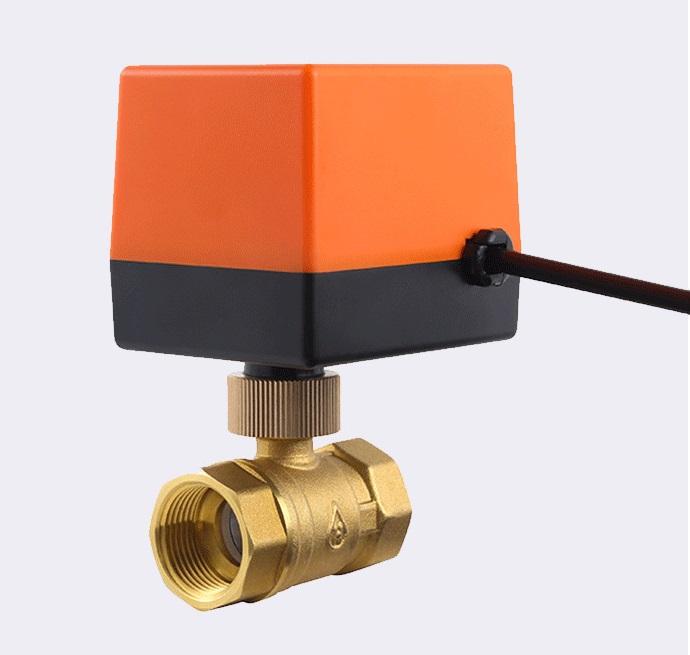
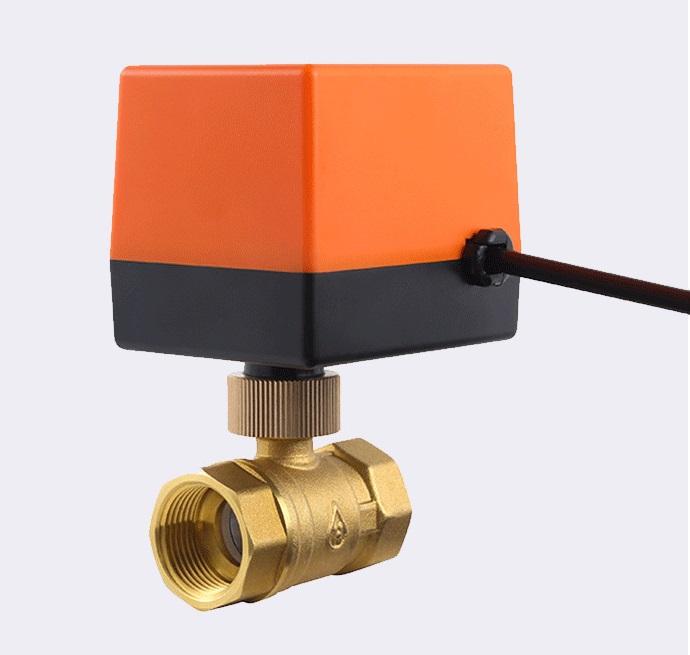
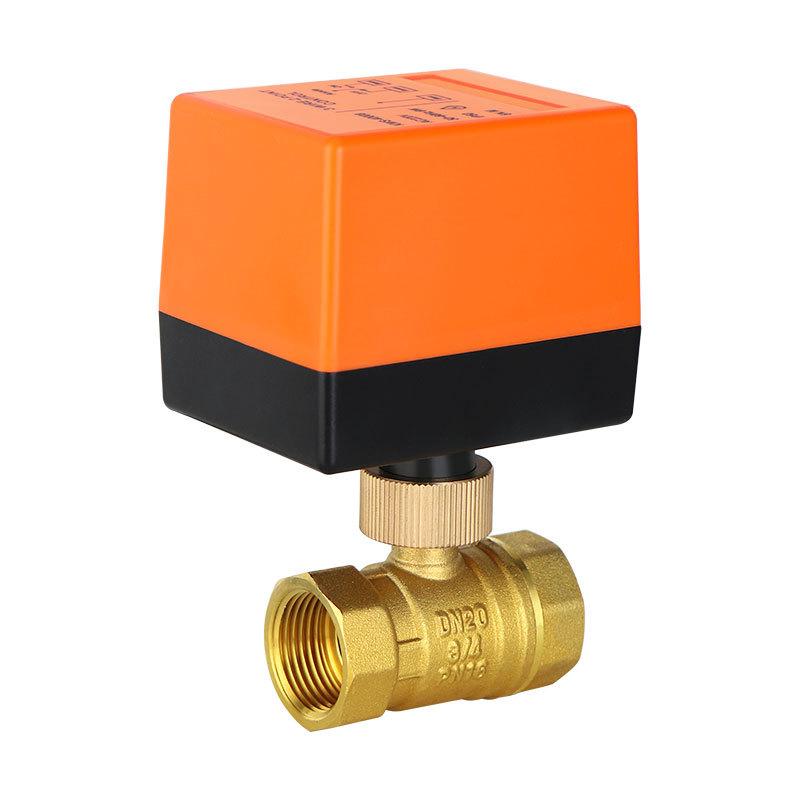
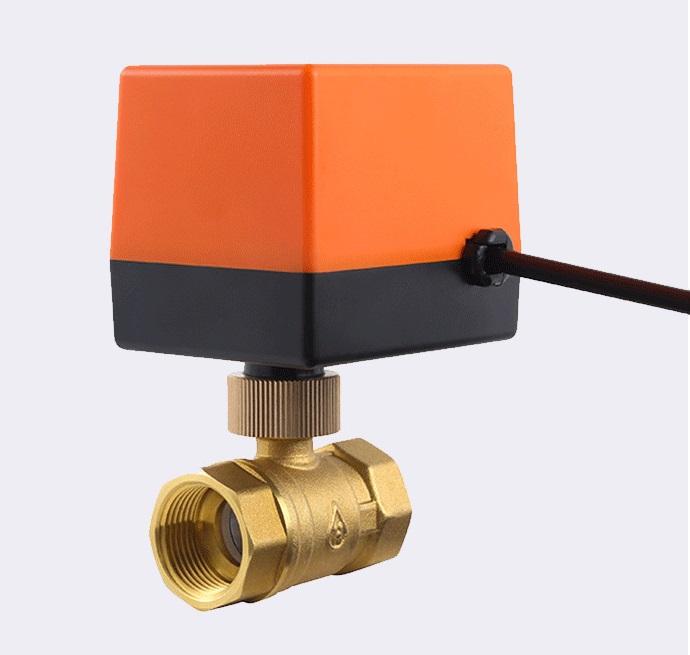
- Automatic / Actuated valves: Controlled by electric, pneumatic, or hydraulic actuators.
Common ball valve materials
Ball valves are produced in a wide range of materials to handle different environments and fluids. The choice of material affects durability, corrosion resistance, and chemical compatibility.
- Brass: Widely used for water and gas lines; affordable and corrosion-resistant.
- Stainless steel: Highly durable; suitable for industrial chemicals, high pressure, and high temperatures.
- PVC or UPVC: Lightweight, corrosion-resistant, ideal for low-pressure water applications.
- CPVC: Suitable for hot water lines.
- Carbon steel: Used for oil, steam, and heavy industrial systems.
Ball Valve Installation Types
Ball valves are available in diverse installation formats to suit specific environments.
-
Threaded Ball Valves
Common in household plumbing and small commercial systems. Easy to install and replace.
-
Flanged Ball Valves
Used in industrial pipelines. Offer superior sealing and easier maintenance for large-diameter piping.
-
Welded Ball Valves
Ideal for high-pressure or critical applications where eliminating leaks is essential.
-
Socket Ball Valves
Often used in PVC plumbing systems such as irrigation and pool systems.
-
Top-entry Ball Valves
Allow maintenance without disconnecting the valve from the pipeline—common in chemical processing.
How to install and maintain ball valves
Proper installation and maintenance ensure long service life and safe operation.
Installation Tips:
- Ensure compatibility between pipe material and valve material.
- Use thread sealant or PTFE tape for threaded valves.
- Ensure the valve is oriented correctly (some valves have a flow direction).
- Do not overtighten connections, as this may damage threads.
Maintenance Tips:
- Periodically operate the valve to prevent stiffness.
- Inspect for leaks around the stem and connections.
- Replace seats or seals if the valve becomes difficult to operate.
- For 3-piece valves, clean internal components without removing the valve from the pipe.
How ball valves compare to other valves
Ball valves are often compared to other common valve types. Below is a summary of how they differ.
Ball Valve vs Gate Valve
- Ball valves operate faster (quarter turn vs multiple turns).
- Ball valves provide a better seal.
- Gate valves allow more gradual flow control.
Ball Valve vs Globe Valve
- Globe valves regulate flow more precisely.
- Ball valves excel at on/off shutoff.
Ball Valve vs Butterfly Valve
- Butterfly valves handle larger diameters more cost-effectively.
- Ball valves offer superior sealing and lower pressure drop.
Conclusion
Ball valves are versatile, durable, and reliable components used in a wide range of fluid and gas systems. Their simple quarter-turn operation and robust sealing performance make them essential for shutoff applications in homes, commercial buildings, factories, and industrial plants.
Whether you are installing a new plumbing system, managing industrial pipelines, or upgrading a gas network, ball valves provide an efficient, secure, and long-lasting solution for flow control.