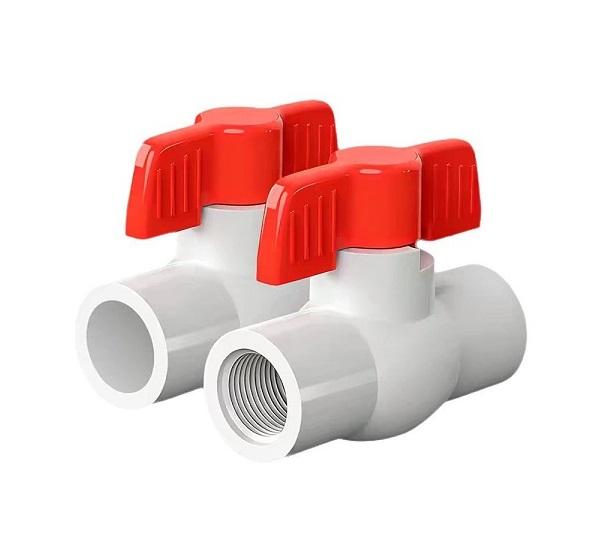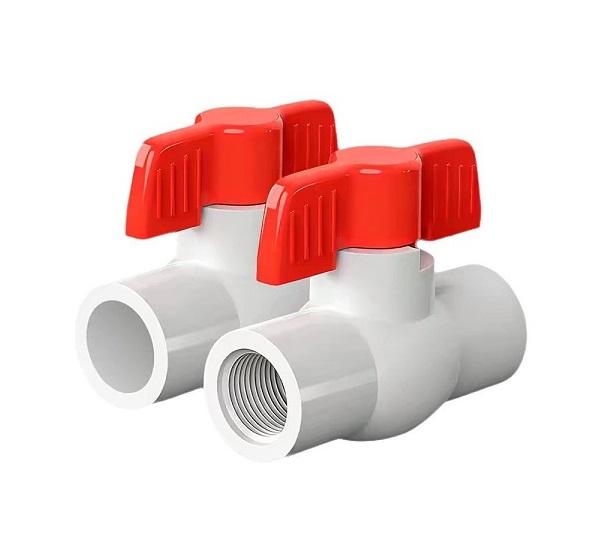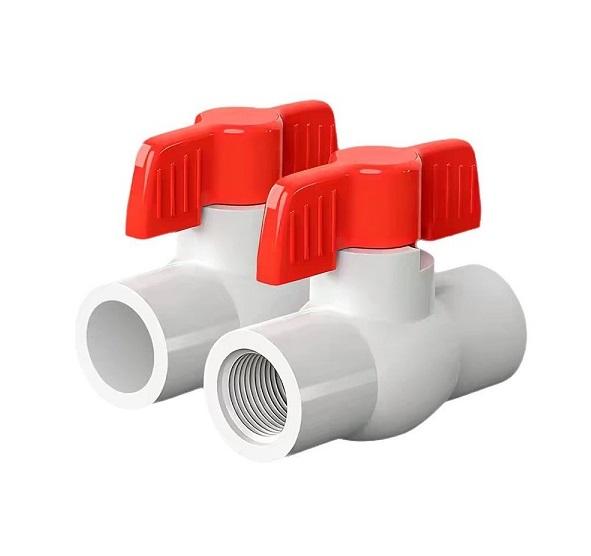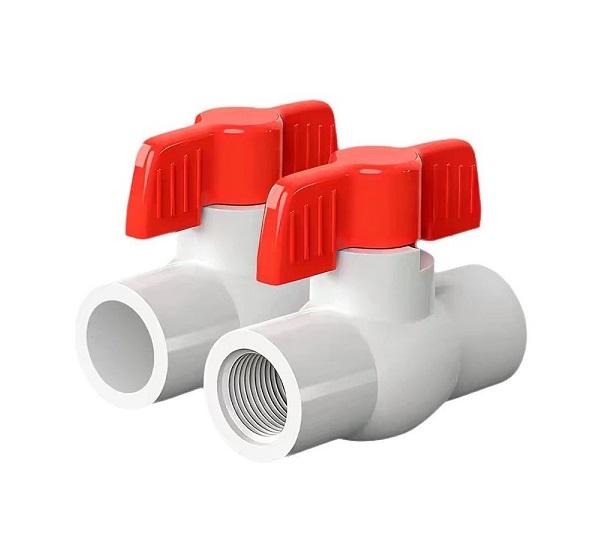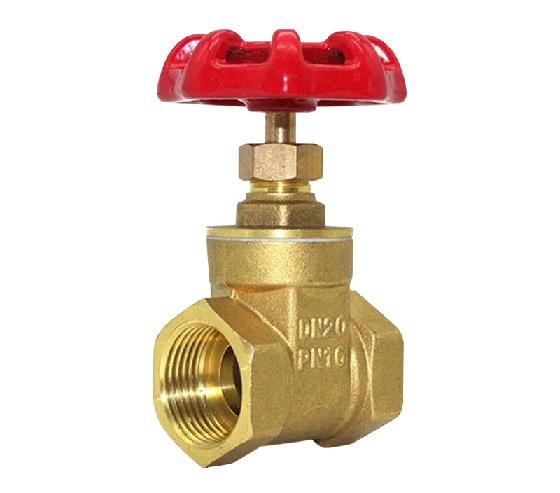
This article provides a comprehensive overview of gate valves, outlining their structure, working principles, applications, advantages, and best practices for installation and maintenance. Gate valves are widely used in plumbing and industrial systems where reliable shutoff and minimal pressure drop are required.
What is a gate valve?
A gate valve is a mechanical valve designed to control the flow of liquids or gases by lifting or lowering a gate (also called a wedge) within the valve body. When the valve is fully open, the gate retracts completely, providing minimal resistance and ensuring a smooth, unobstructed flow path.
Gate valves are commonly used in applications that require full isolation of a pipeline. They are not intended for throttling but are ideal for operations that involve either fully opening or fully closing the flow.
The main components of a gate valve include:
- Valve body: Houses the gate and forms the outer structure.
- Gate/wedge: Moves up and down to block or allow flow.
- Stem: Connects the gate to the operating mechanism (handwheel or actuator).
- Seat: Provides a sealing surface when the gate is closed.
- Bonnet: Encloses and protects the stem and packing material.
- Handwheel or actuator: Used to manually or automatically operate the valve.
How does a gate valve work?
Gate valves operate through a simple linear motion: the gate moves vertically to start or stop the flow. When the handwheel is turned, the stem transfers rotational motion into vertical movement that raises or lowers the gate.
The operation consists of three steps:
- Opening: Rotating the handwheel raises the stem and gate, creating a full, unobstructed opening for fluid to pass through.
- Closing: Lowering the gate presses it against the valve seats, forming a tight seal that stops fluid flow.
- Sealing: Compression between the gate and seat ensures minimal leakage.
One of the defining features of gate valves is that when fully opened, they cause very little pressure drop because the flow path is nearly straight.
Types of gate valves
Gate valves come in a variety of designs tailored to different fluid types, pressure requirements, environmental conditions, and maintenance needs. The most common types include:
- Rising stem gate valves. These have a stem that visibly moves up as the valve opens, making it easy to identify the valve’s position.
- Non-rising stem gate valves. Designed for tight spaces; the stem does not move upward but rotates within the body. Common in underground installations.
- Solid wedge gate valves. Features a single-piece wedge; durable and suitable for high-pressure and high-temperature applications.
- Flexible wedge gate valves. Designed with a slight flexibility to compensate for seat misalignment and thermal expansion.
- Split wedge gate valves. Consist of two separate pieces that adjust to seating surfaces, ideal for handling solids or thermal stress.
- Parallel slide gate valves. Use two parallel gates that slide into place with a spreading mechanism, reducing seat wear and improving sealing.
- Knife gate valves. Designed for slurry, thick fluids, or materials with suspended solids; the thin blade "cuts" through the flow.
What are gate valves used for?
Gate valves are most commonly used in scenarios requiring full shutoff or unrestricted full flow. They are widely applied in:
- Water supply networks
- Oil and gas pipelines
- Chemical and petrochemical plants
- Power generation facilities
- Marine and offshore applications
- HVAC systems
- Fire protection systems
Their versatility and dependable shutoff capability make them an industry standard for isolation valves.
When should I use a gate valve?
Gate valves are best used when a system requires:
- Full flow or full shutoff without throttling.
- Low-pressure drop across the valve when open.
- Bidirectional sealing (flow can come from either direction).
- Operation infrequently—they are not ideal for rapid open-close cycles.
Common use cases:
- Isolating water mains or building pipelines
- Oil transfer lines that operate fully open
- Fire sprinkler risers
- Industrial steam lines (specific high-temp wedge designs)
Use gate valves when you need a durable, reliable, and low-restriction method of isolating flow.
What are the advantages of using a gate valve?
Gate valves offer several key benefits that make them suitable for many applications:
- Minimal pressure loss: A straight-through flow path ensures low friction.
- Tight sealing: Ideal for systems requiring near-zero leakage.
- Bidirectional use: Can block flow in either direction.
- Wide size availability: Manufactured in sizes from ½ inch to several feet in diameter.
- Durability under extreme conditions: Works well in high-temperature or high-pressure environments with the right design.
- Long life expectancy: When used properly and infrequently cycled.
Disadvantages of gate valves
While gate valves offer many benefits, they have limitations too:
- Slow operation: Requires multiple turns to open or close.
- Poor throttling capability: Partially open gate valves vibrate and wear out quickly.
- Bulky size: Rising stem models require more vertical clearance.
- More maintenance-sensitive: Seats and wedges can wear if used improperly.
These disadvantages are important to consider when selecting the right valve for a system.
How do I know if my gate valve is bad?
Gate valves rarely fail suddenly; instead, they typically show gradual signs of wear. Common signs that your gate valve may be failing include:
- Difficulty turning the handwheel: Indicates corrosion, stem damage, or debris.
- Valve leaking when closed: A worn seat or damaged gate may not seal fully.
- Grinding or unusual noise: May be caused by dirt or internal damage.
- Stem movement without flow changes: Means the stem is no longer properly connected to the gate.
- Partial blockage even when open: Gate may be stuck or worn.
- Visible corrosion or leaks around the bonnet: Indicates packing or seal failure.
Routine inspection and occasional full cycling can help identify issues early.
How should a gate valve be installed?
Proper installation ensures longevity and leak-free operation. The general steps for installing a gate valve include:
-
Check the valve specifications
Ensure the valve matches system pressure, temperature, and pipe size requirements.
-
Position the valve correctly
Gate valves are usually installed in horizontal pipelines, with the stem vertical for optimal performance.
-
Clean the pipe ends
Remove debris, rust, or burrs to prevent sealing issues.
-
Apply appropriate sealing materials
Use PTFE tape, pipe dope, or gaskets depending on the valve type (threaded, flanged, or welded).
-
Align the valve
Misalignment can cause internal damage to the seat or gate.
-
Tighten the connections evenly
For flanged valves, use a cross-bolt pattern to ensure even compression.
-
Test the operation
Fully open and close the valve to verify smooth movement and proper sealing.
Proper installation ensures long-term reliability and prevents common valve failures.
Can I replace a gate valve with a ball valve?
In many cases, yes — a gate valve can be replaced with a ball valve. Ball valves offer rapid operation, lower maintenance, and reliable sealing. However, there are a few factors to consider:
- Flow characteristics: Ball valves may cause slightly more pressure drop than gate valves in large-diameter systems.
- Operation style: Ball valves open and close quickly; this can create water hammer in some systems.
- Space constraints: Ball valves may require more side clearance to operate.
- Compatibility: Thread type, flange dimensions, and pipe alignment must match.
Ball valves are increasingly replacing gate valves in residential and many industrial applications due to their improved reliability and ease of use.
Gate valve materials and construction
Gate valves are made from various materials to handle different fluids and environments:
- Brass: Common in residential plumbing and low-pressure systems.
- Bronze: Corrosion-resistant; used in marine environments.
- Cast iron: Widely used in water distribution systems.
- Ductile iron: Stronger than cast iron with better impact resistance.
- Carbon steel: Suitable for high-pressure industrial applications.
- Stainless steel: Best for corrosive environments and chemical processing.
- PVC or CPVC: Used in chemical handling, irrigation, and low-pressure applications.
Selecting the right material helps ensure valve durability and compatibility with the media being transported.
Common gate valve form factors
Gate valves come in different structural styles meant for different industries and installation environments. The most common include:
- Threaded gate valves. Small, compact, typically made of brass or bronze. Used in residential plumbing, HVAC, and small machinery.
- Flanged gate valves. Larger valves with bolted flanges for industrial pipelines. Provide strong connections and easy removal for maintenance.
- Welded gate valves. Permanently welded into high-pressure systems such as power plants and petrochemical pipelines.
- Underground gate valves. Installed in buried water mains with non-rising stems and protective valve boxes.
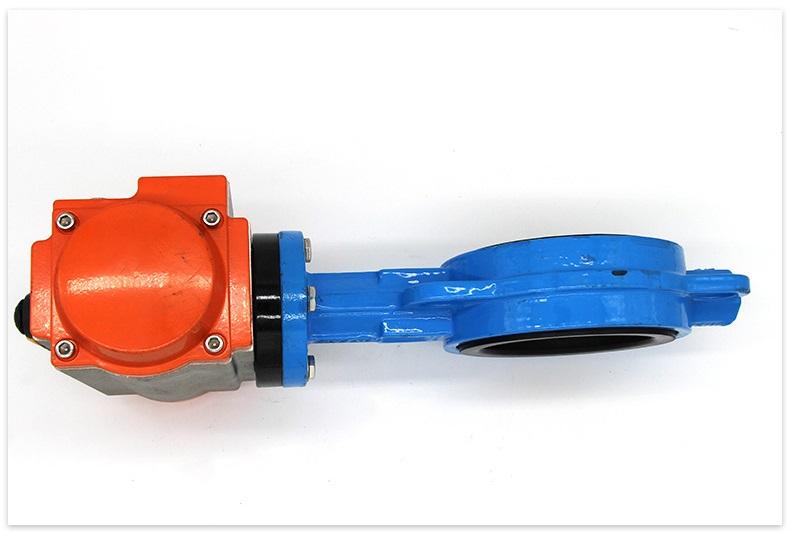
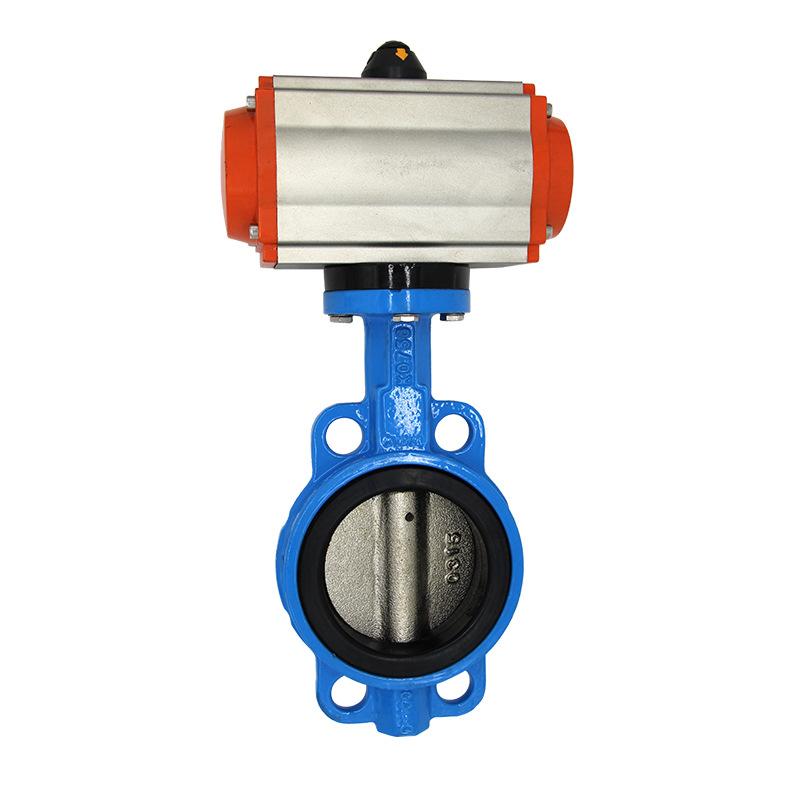
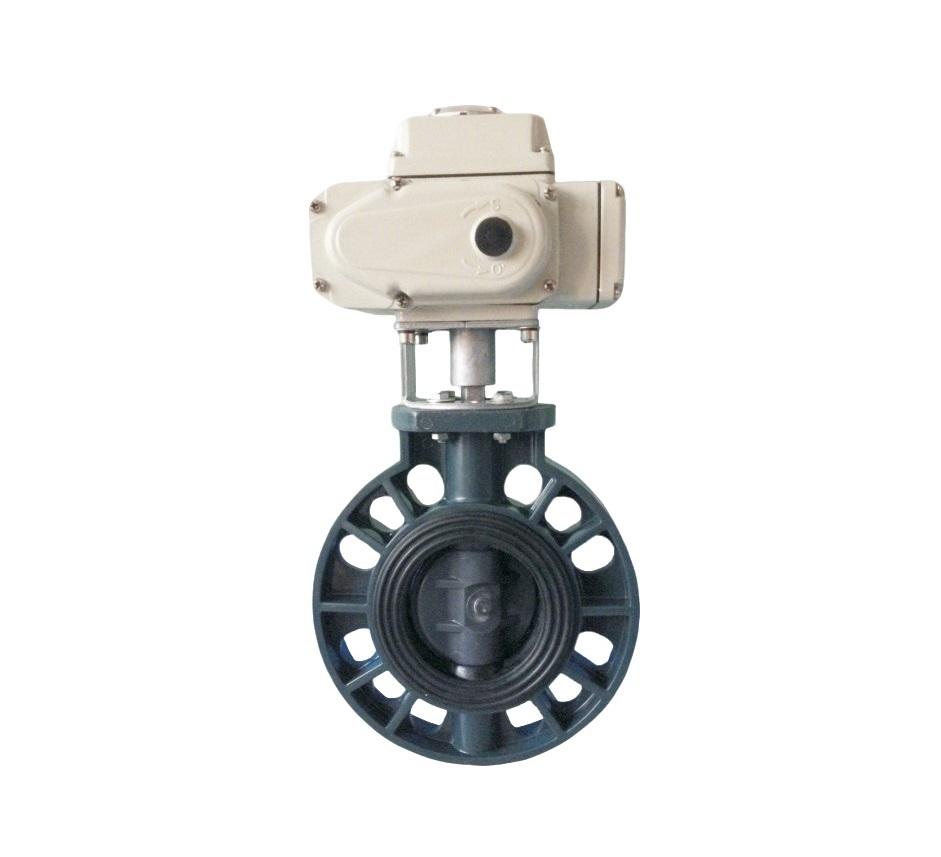
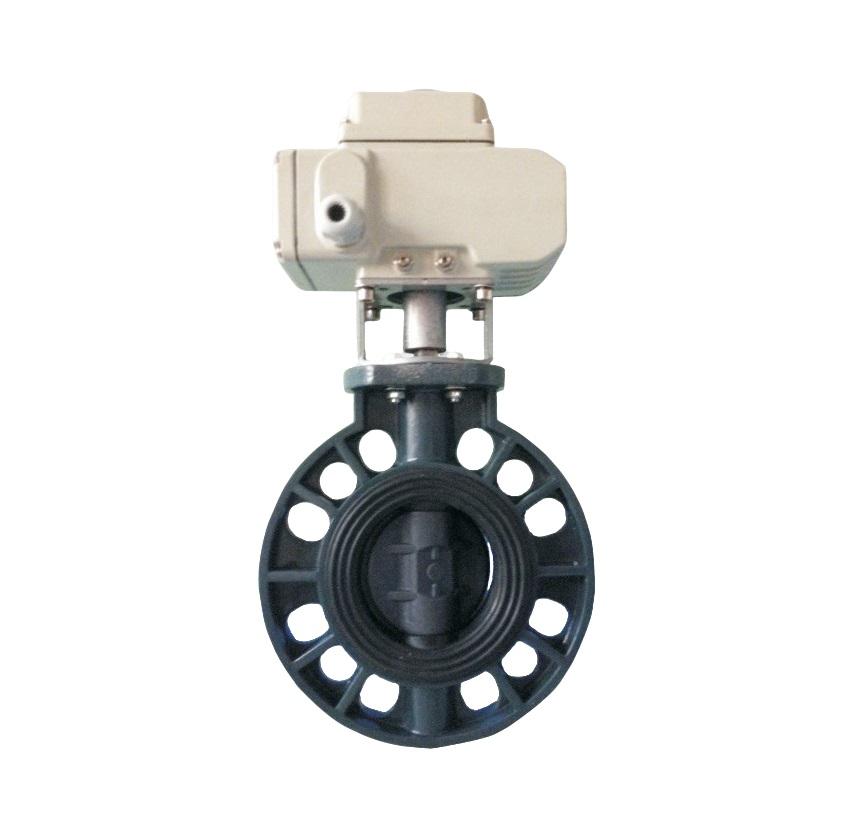
- Actuated gate valves. Equipped with electric, pneumatic, or hydraulic actuators for remote or automated operation.
Maintenance tips for gate valves
To extend the lifespan of a gate valve:
- Operate the valve fully open or closed only.
- Cycle the valve periodically to prevent sticking.
- Inspect for external leaks around the bonnet and packing.
- Lubricate moving parts if the design requires it.
- Flush debris-filled lines to prevent wedge damage.
Proper maintenance ensures reliable shutoff and reduces unplanned downtime.