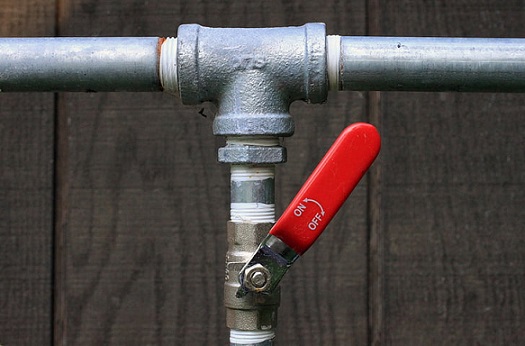
Water valves may not be the most glamorous part of your plumbing system, but they are among the most essential. Whether they are controlling the water entering your home, isolating a fixture for repair, or preventing backflow, water valves ensure stability, safety, and convenience in everyday life. Despite their importance, many homeowners do not realize how these valves work—or even where they are located—until something goes wrong.
In this comprehensive guide, we explore everything you need to know about water valves: what they are, how they work, the different types available, and how to maintain and operate them safely. We'll also address common homeowner questions such as How do I know if a water valve is open or closed?, Does every house have a water valve?, and How much does a plumber charge to replace a water valve?
Whether you're preparing for a plumbing repair, dealing with an emergency leak, or simply want to understand your home's water system better, this guide will give you the confidence and clarity you need.
What is a water valve?
A water valve is a mechanical device that controls the flow of water through a pipe. By opening, closing, or partially obstructing the passage, the valve regulates water supply to appliances, fixtures, and entire sections of a plumbing system. Valves can range from simple manual shut-off devices found under sinks to sophisticated pressure-regulating or backflow-prevention systems found in municipal water grids.
Most residential plumbing valves perform one of these functions:
- Start or stop the flow of water
- Regulate water pressure
- Direct water flow to different pipelines
- Protect water supply by preventing backflow
- Enable repairs without shutting off an entire building’s water
Though they vary widely in shape, size, and design, all water valves share the same purpose: controlling water safely and efficiently.
Types of water valves
Water valves come in many types, each suited for specific flow behaviors, pressure environments, and usage scenarios. Below are the most common types used in home plumbing, industrial applications, and water distribution systems.
| Type of Valve | Features | Common Uses |
|---|---|---|
| Ball Valve | Fast shut-off using a rotating ball with a hole. Durable and long-lasting. | Main shut-off valves, irrigation systems. |
| Gate Valve | Uses a metal gate to open or close flow. Best for fully open or fully closed use. | Main water supply, industrial pipelines. |
| Globe Valve | Allows precise flow control through a moving disc. | Water flow regulation, heater systems. |
| Check Valve | Permits water to flow in one direction only. | Preventing backflow in pumps and supply lines. |
| Pressure-Reducing Valve | Automatically lowers water pressure to safe levels. | Residential systems, boilers. |
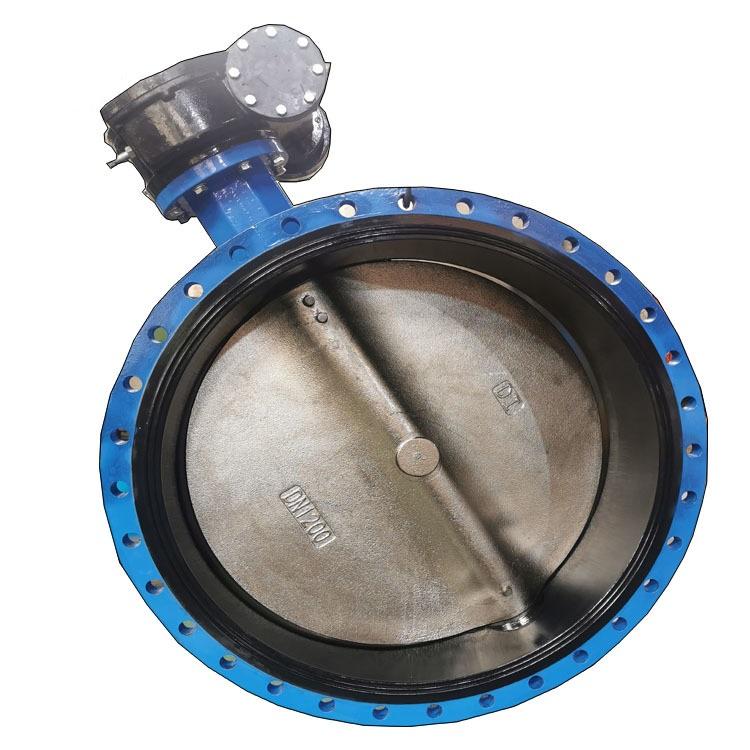
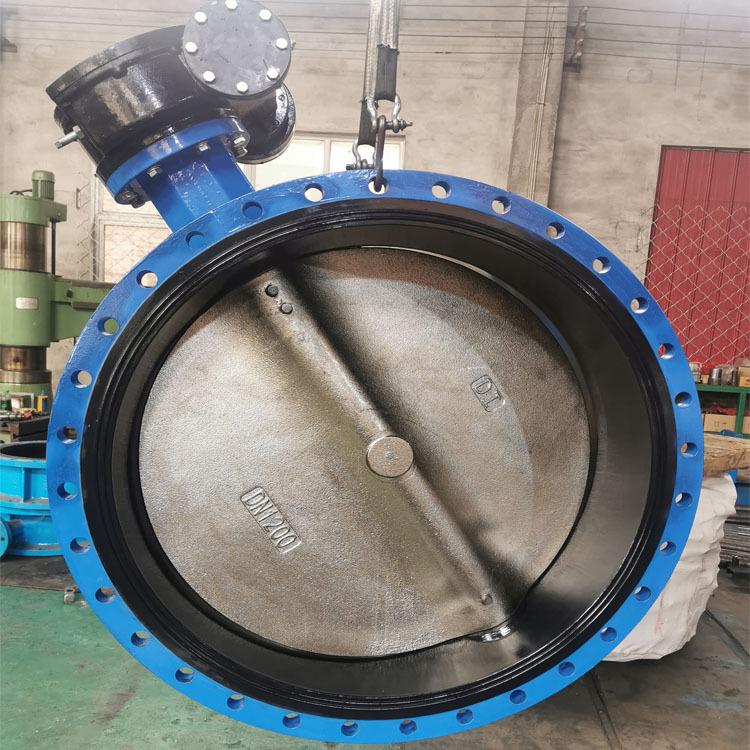
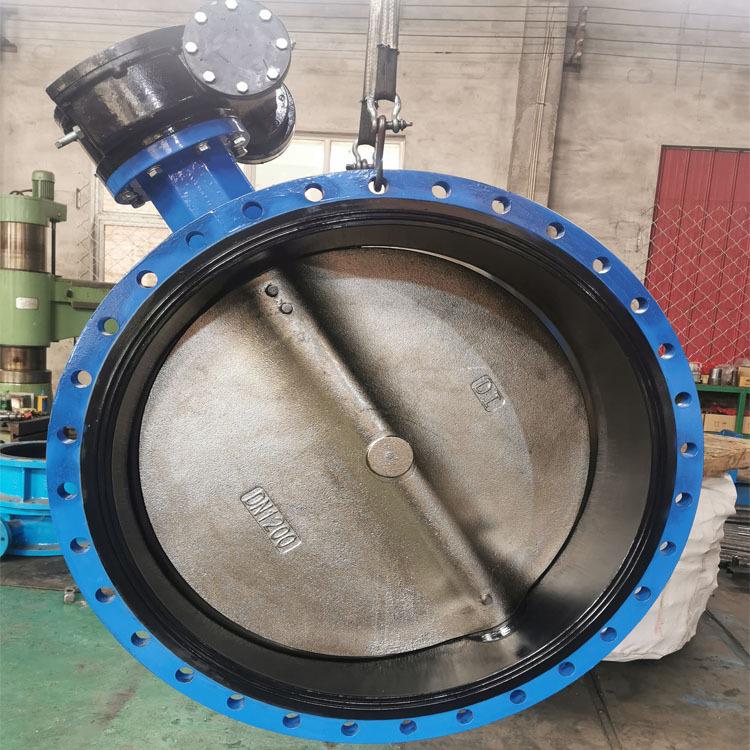
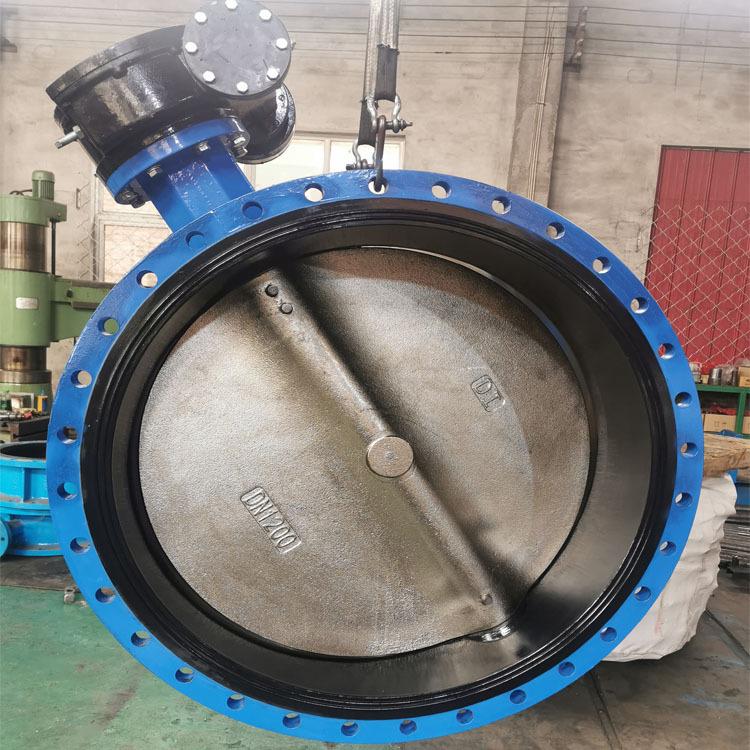
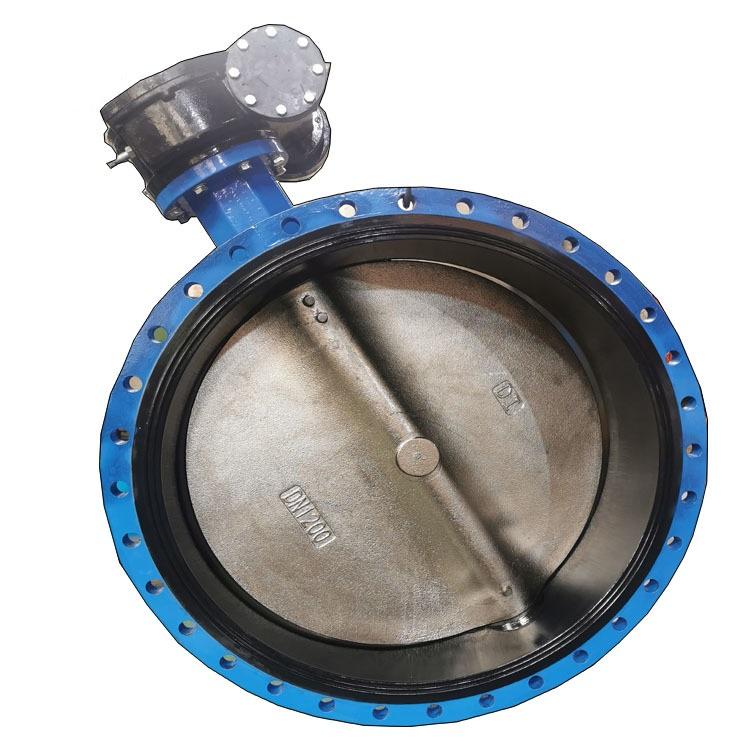
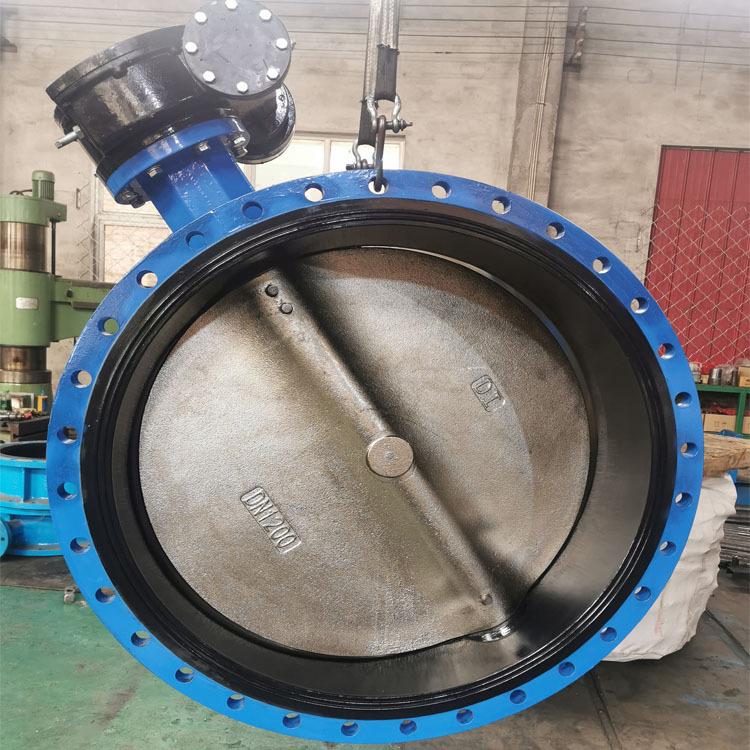
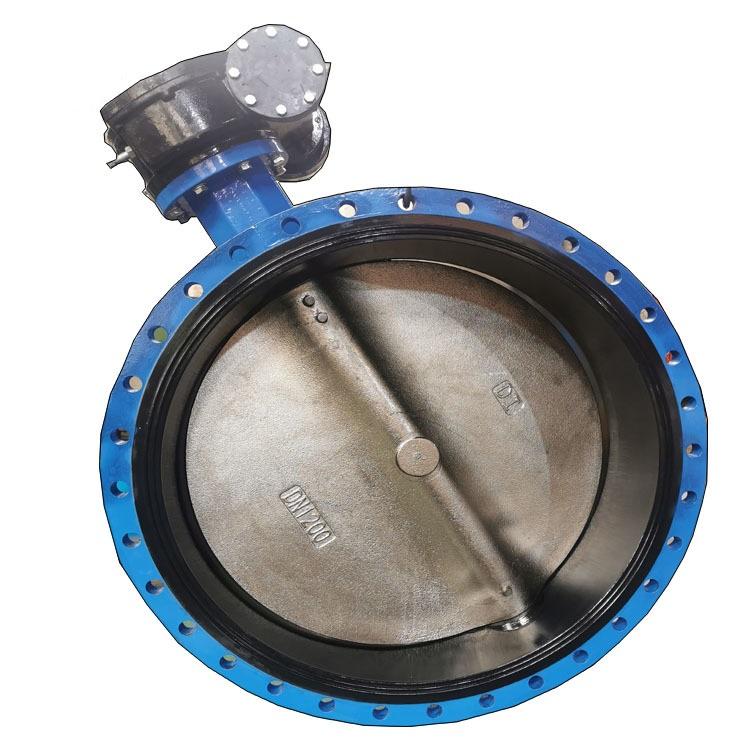
| Butterfly Valve | Rotating disc for fast shut-off; lightweight. | Large commercial or industrial water systems. |
| Stop Valve | Small valve used for under-sink or toilet water shut-off. | Bathroom and kitchen fixtures. |
How water valves work
Most water valves operate by opening or closing a passageway inside the valve body. When the mechanism moves, it either allows water to pass through or blocks it entirely.
The process typically involves:
- Actuation: Turning a handle or actuator changes the internal position of the valve.
- Water flow control: The internal mechanism opens a passage for flow or blocks it.
- Pressure regulation: Some valves adjust water pressure to protect the system.
The design of a water valve determines how quickly it can shut off water, how well it handles pressure, and what applications it’s suitable for.
Where water valves are commonly found
Water valves can be located in various spots, depending on the function:
- Basements and utility rooms
- Under sinks
- Behind toilets
- Near water heaters
- At the street meter or curb box
- Inside irrigation control boxes
In multi-story buildings, additional shut-off valves may exist for each unit or floor.
Water shut off valves
Water shut-off valves are crucial for stopping water flow to parts of your home or the entire home during repairs, leaks, or emergencies. There are two main categories:
1. Main water shut-off valve
This valve controls the entire water supply entering your home. It is usually located:
- Near the water meter
- At the perimeter of the house
- In a basement, crawlspace, garage, or utility closet
Main shut-off valves are typically ball or gate valves. Knowing where this valve is—and how to operate it—can prevent thousands of dollars in water damage.
2. Fixture shut-off valves
These are the small valves located near individual fixtures:
- Under sinks
- Behind toilets
- Near washing machines or dishwashers
They allow you to shut off water to a specific fixture without interrupting the whole house’s supply.
How do I know if a water valve is open or closed?
Determining whether a water valve is open or closed depends on the type of valve:
-
Ball Valve:
- Handle parallel to the pipe → Open
- Handle perpendicular to the pipe → Closed
-
Gate Valve:
- Turn counterclockwise → Open
- Turn clockwise → Closed
-
Stop Valve:
- Turn counterclockwise → Open
- Turn clockwise → Closed
Many valves also include directional arrows or labels indicating flow direction and open/close orientation.
How to maintain a water valve?
Regular maintenance ensures water valves operate smoothly and last longer. Valves that remain untouched for years may seize up, corrode, or leak.
Maintenance tips include:
- Exercise the valve: Turn the valve on and off at least once per year to prevent sticking.
- Inspect for leaks: Check joints, handles, and nearby pipes for moisture or corrosion.
- Lubricate moving parts: Some valve types benefit from food-grade lubrication on the stem.
- Replace worn washers or seals: A minor leak may only require a new washer instead of full replacement.
- Clean mineral buildup: Hard-water deposits can stiffen valve movement.
- Protect outdoor valves: Use insulation covers in cold climates to prevent freezing.
How to turn off a water valve?
Turning off a water valve is simple but varies depending on the type:
- Locate the valve. For homes, the main valve is often in the basement, garage, utility room, or outdoors near the water meter.
- Identify the valve type. Ball valve → lever Gate valve → round wheel
-
Turn the handle.
- Ball valve: turn the lever 90° until perpendicular to the pipe.
- Gate/stop valve: turn clockwise until it stops.
- Test the water. Open a faucet to confirm the water supply is indeed shut off.
For fixture valves (under sinks or toilets), turning the small knob clockwise closes the water flow.
Does every house have a water valve?
Yes, every residential property is required to have at least one main water shut-off valve. This is a plumbing code requirement in most countries.
Typically, a home will have:
- A main water shut-off valve
- Fixture shut-off valves
- Outdoor irrigation valves (if applicable)
In older homes, the main valve may be hidden behind access panels or located outside near the street meter box. Newer homes usually place it in easy-to-access indoor locations.
How much does a plumber charge to replace a water valve?
Plumbing costs vary depending on the valve type, accessibility, and local labor rates, but typical ranges include:
Replacing a fixture shut-off valve
Cost: $120–$300
Includes: Labor, valve replacement, cleaning fittings
Replacing a main water shut-off valve
Cost: $350–$800
Main valves require more labor, sometimes pipe cutting, and occasionally municipal coordination.
Replacing a pressure-reducing valve
Cost: $400–$900
Additional factors affecting price:
- Emergency or after-hours service
- Corroded or hard-to-access pipes
- Need for pipe soldering or upgrades
Getting quotes from multiple licensed plumbers is always recommended.
What happens when your water pressure valve goes bad?
A failing pressure-reducing valve (PRV) can have severe effects on your plumbing system. Its job is to ensure that water entering your home remains at a safe pressure level.
Signs of a failing PRV include:
- Sudden changes in water pressure
- Loud banging or hammering noises in pipes
- Leaking fixtures
- Running toilets
- Premature water heater wear
- Pipes vibrating or rattling
A bad PRV can result in:
- Burst pipes due to excessively high pressure
- Increased water bills
- Damage to appliances such as dishwashers or washing machines
- Reduced fixture lifespan
Replacing a PRV promptly prevents costly repairs and water damage.
Choosing the right water valve for your home
The proper valve depends on location, purpose, and frequency of use.
Consider the following when selecting a replacement valve:
- Ball valves for dependability and quick shutoff
- Gate valves for older systems or low-pressure applications
- Angle stop valves for fixtures
- PRVs for high-pressure regions
- Check valves for backflow prevention
When in doubt, a licensed plumber can recommend the ideal valve type.
Common water valve materials
Water valves are made from various materials depending on their intended environment:
- Brass: Corrosion-resistant, ideal for household plumbing.
- Stainless steel: Durable and strong; used in industrial settings.
- PVC (polyvinyl chloride): Lightweight and inexpensive; used for irrigation.
- Bronze: Long-lasting, often used in marine environments.
- Copper: Used in some specialized applications.
Symptoms of a failing water valve
Over time, valves can wear out. Common symptoms of failure include:
- Difficult or stuck handle
- Leaks around the valve body
- Water not fully stopping even when valve is closed
- Rust or mineral buildup
- Loud noises when adjusting the valve
In many cases, replacing the valve is more effective than attempting repairs, especially for older gate valves.
Conclusion
Water valves may be small components, but they play a vital role in the safety and functionality of your home’s plumbing system. By understanding what they do, how to identify different types, and how to maintain them, you’ll be prepared for both routine maintenance and unexpected emergencies.
Whether you’re locating your main shut-off valve, troubleshooting pressure issues, or trying to determine if the valve is open or closed, this guide provides everything you need to navigate your home’s water system with confidence. And when repairs become necessary, knowing what to expect—such as typical replacement costs—can help you make informed decisions.
A well-maintained water valve system protects your home, saves money, and ensures that your plumbing works efficiently for years to come.