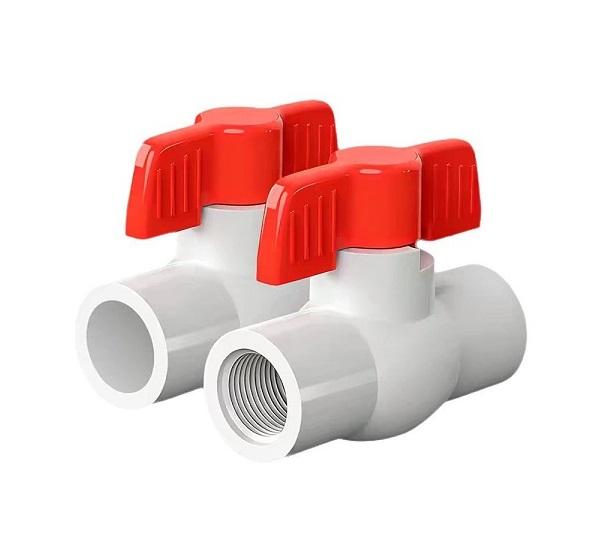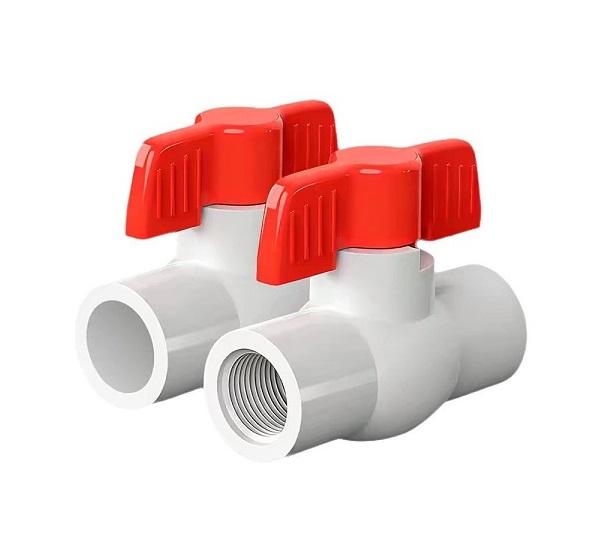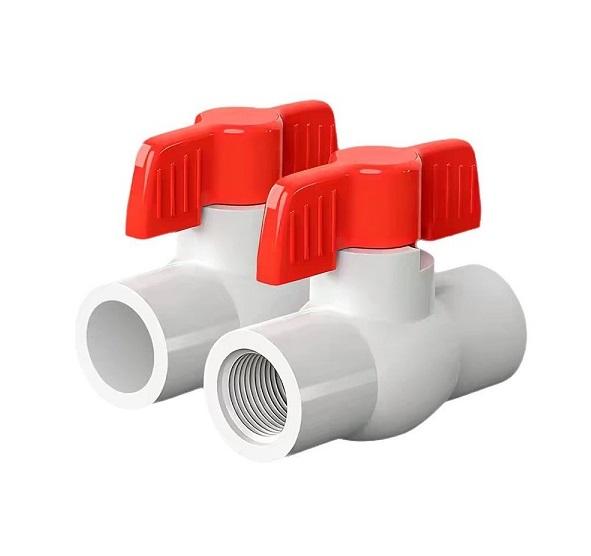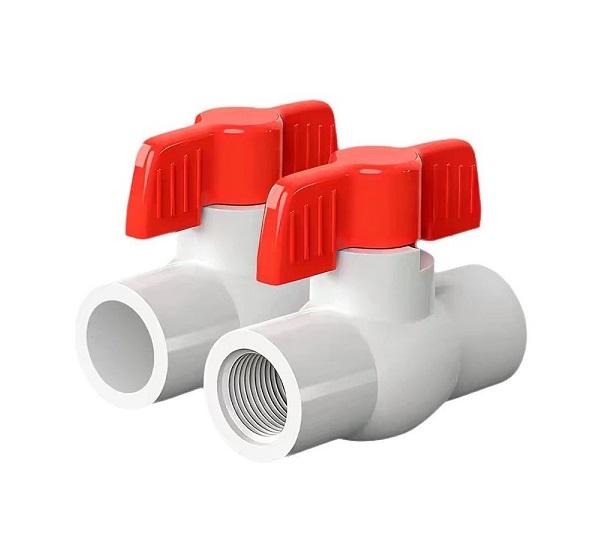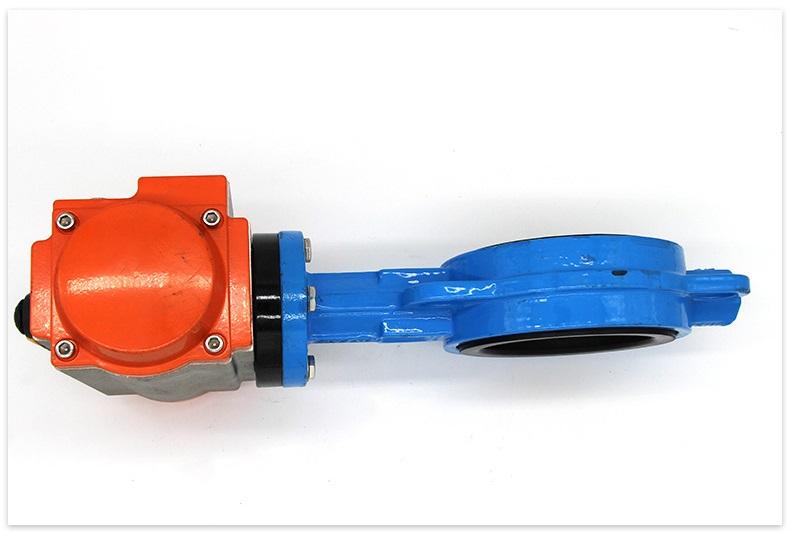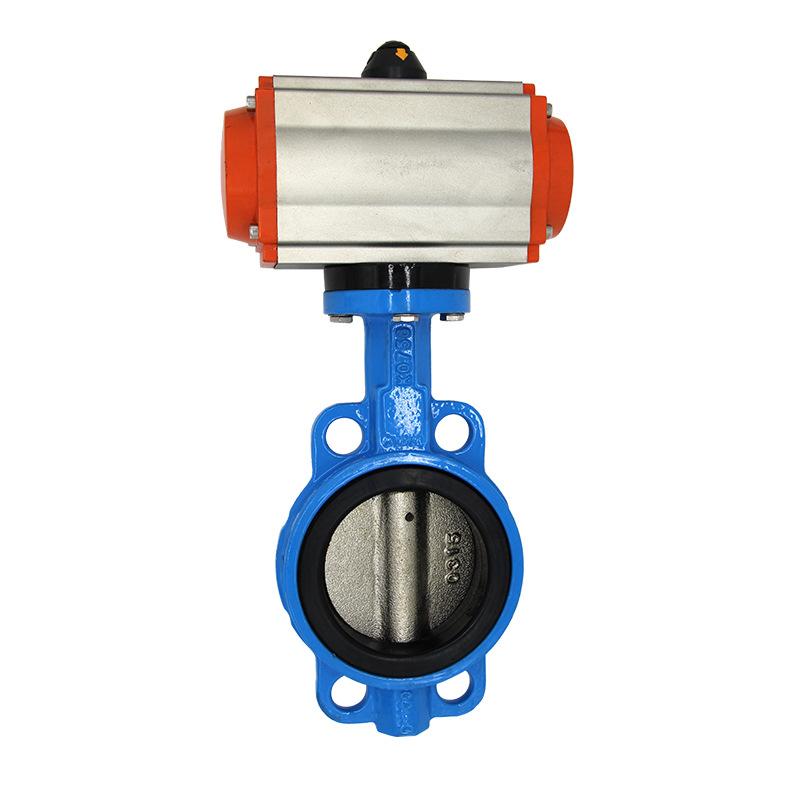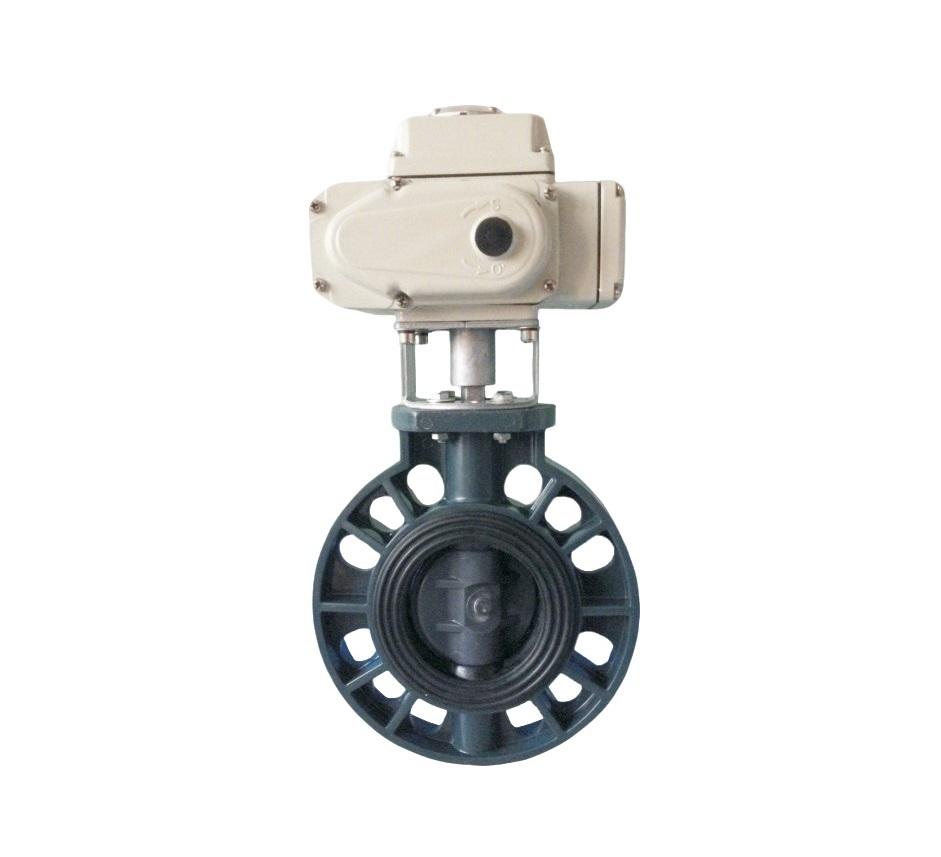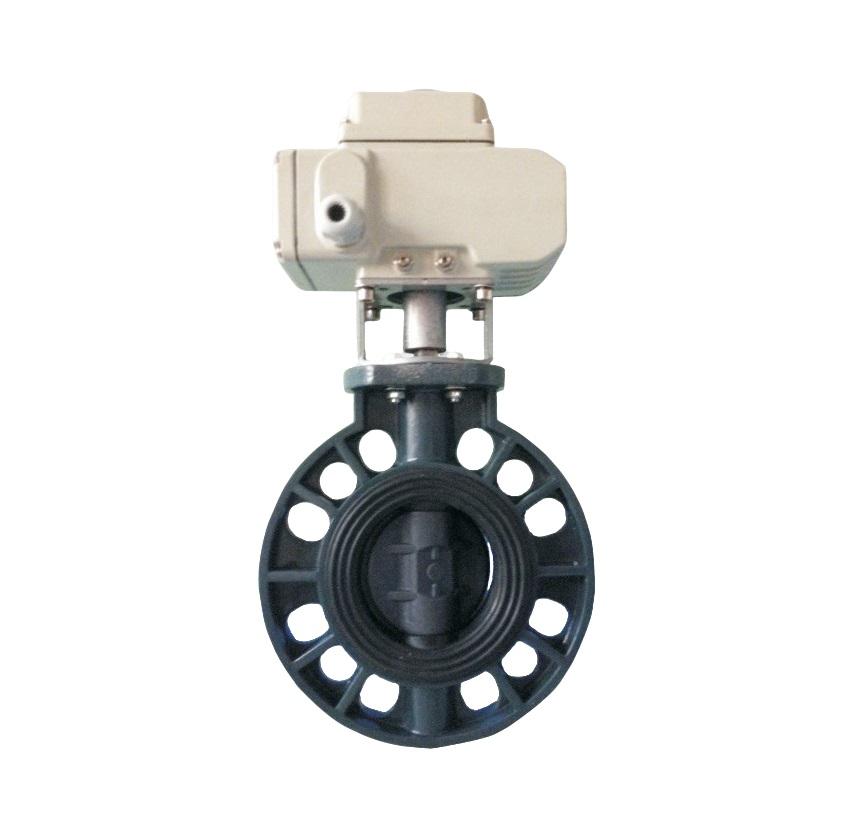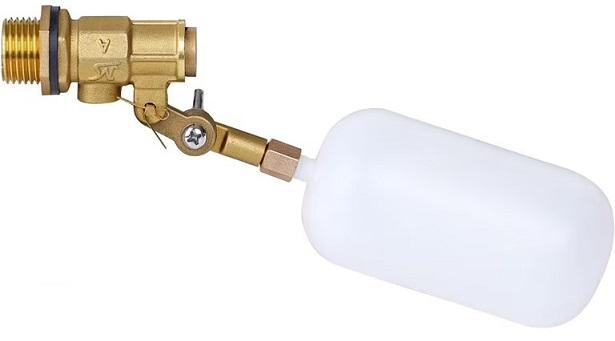
Float valves play a crucial role in controlling fluid levels in toilets, water tanks, cooling systems, and reservoirs. They help maintain consistent water levels by automatically regulating the inflow of liquid, preventing overflow, and ensuring stable system operation.
This article provides a comprehensive overview of float valves, their key features, working principles, applications, common issues, troubleshooting steps, and installation/maintenance tips.
What is a float valve?
A float valve is a mechanical device used to automatically control the level of liquid in a water tank, toilet cistern, or reservoir. It prevents overflow by stopping the inflow of liquid once a desired level is reached. Float valves are commonly found in toilets, water tanks, cooling systems, and agricultural irrigation reservoirs.
The main components of a float valve include:
- Float: A buoyant object that rises and falls with the liquid level.
- Valve body: The part that controls the flow of liquid in response to the float's movement.
- Lever arm: Connects the float to the valve, translating vertical motion into valve actuation.
- Seal or washer: Provides a watertight closure when the valve is shut.
How does a float valve work?
Float valves rely on a simple but effective mechanical principle. A buoyant float rises with increasing water levels and falls as the water level drops. This movement controls the valve mechanism, either allowing water to flow in or shutting off the supply.
The basic operation involves three steps:
- Water level drops → the float descends → valve opens → water flows into the tank.
- Water level rises → the float ascends → valve gradually closes.
- Desired water level reached → float fully lifts → valve shuts off completely.
This system ensures that tanks stay filled but do not overflow. Many modern float valves use lever arms, ball floats, diaphragm assemblies, or internal floats (in toilet fill valves) to manage water flow more precisely.
Additionally, float valves may include design elements such as:
- Anti-siphon protection to prevent backflow
- Adjustable arms for fine-tuning water height
- High-pressure or gravity-fed options depending on application
Features of float valves
Float valves come with characteristics that support long-term reliability and accurate water-level control. Here are some notable features:
-
Automatic level control
Float valves self-regulate, requiring no electricity, timers, or active supervision.
-
Wide material options
They are available in plastic, brass, stainless steel, and copper. Material selection depends on application (e.g., stainless steel for corrosive environments, plastic for household toilets).
-
Leak-resistant designs
Many modern valves use diaphragm-type systems that minimize leaks and reduce wear.
-
Pressure compatibility
Float valves are designed for low-pressure gravity tanks or high-pressure municipal water systems.
-
Adjustability
Floats can often be repositioned to modify fill levels without needing specialized tools.
-
Low maintenance
With few moving parts and no electrical components, float valves remain reliable for years with minimal upkeep.
Applications of float valves
Because float valves are simple and durable, they are widely used across residential, commercial, agricultural, and industrial settings.
- Toilet fill valves — control water level in the toilet tank.
- Water storage tanks — maintain household or agricultural water supply.
- Livestock waterers — ensure constant water levels in troughs.
- Cooling systems — regulate coolant in industrial tanks.
- Irrigation setups — keep reservoirs at stable levels without pumps.
- Fish ponds and aquaculture — prevent overflow or excessive evaporation.
- Rainwater harvesting tanks — maintain safe water levels during heavy inflow.
Types of float valves
Float valves can be categorized based on their design, float mechanism, and application requirements.
| Type | Features | Common Uses |
|---|---|---|
| Ball Float Valve | Uses a hollow ball on an arm; simple and economical; adjustable arm. | Toilets, water tanks, livestock troughs |
| Diaphragm Float Valve | Uses internal diaphragm; quiet, high precision, handles pressure well. | Modern toilets, industrial tanks |
| Internal Float Fill Valve | Compact internal design without long arm; found in newer toilet models. | Residential toilets |
| Stainless-Steel Industrial Float Valve | Corrosion-resistant, high durability, handles chemicals. | Factories, chemical tanks, water treatment |
| Miniature Float Valve | Small size; for tight spaces or low-flow applications. | RO systems, aquariums, small tanks |
How to tell if a float valve is bad?
A faulty float valve can cause water waste, noise, or system malfunction. Here are the most common symptoms and how to identify them.
-
Continuous water running
If water does not stop flowing into a tank (e.g., in a toilet), the float valve may not be closing properly due to debris, a worn seal, or a misaligned float.
-
Overflowing tank
An overflow usually indicates that the float is stuck, waterlogged, or positioned too high.
-
Slow filling
A clogged valve opening or worn-out diaphragm can restrict flow, leading to slow tank refill.
-
Hissing or whistling sounds
Noises typically point to failing internal components or high-pressure stress.
-
Water hammer (banging pipes)
When a float valve shuts off too abruptly, it can cause pressure waves in the plumbing system.
-
Float arm not moving freely
Mineral buildup, corrosion, or mechanical obstruction may prevent smooth movement.
-
Water inside the float
Ball floats can crack and fill with water, causing them to sink and fail to shut off the valve.
How much does it cost to replace a float valve?
Costs vary depending on type, material, and installation method. Here is a general pricing guide:
| Component or Service | Typical Cost Range |
|---|---|
| Basic toilet float valve | $10 – $25 |
| High-end quiet-fill valve | $25 – $45 |
| Brass water-tank float valve | $20 – $60 |
| Stainless steel industrial float valve | $80 – $250+ |
| Plumber installation fee | $80 – $200 depending on region |
For most homeowners, replacing a toilet fill valve is inexpensive and can be done without professional help. Large industrial float valves, however, may require specialist installation.
How do I adjust the float valve on my toilet?
Adjusting a toilet float valve ensures the tank fills to the correct water level and prevents overflow. Here’s a step-by-step guide:
- Turn off the water supply to the toilet.
- Remove the tank lid carefully.
- Identify the float (ball or cylinder) attached to the fill valve.
-
Adjust the float:
- For a ball float: Bend the float arm down slightly to lower the water level or up to raise it.
- For a cylinder float: Use the adjustment screw or clip to set the height.
- Turn on the water supply and let the tank fill.
- Check the water level; adjust again if necessary.
Here's an illustration of toilet float adjustment:
   +----------------+
   | Tank Lid       |
   |                |
   |  Float O       | <-- Adjust height
   |    |           |
   |    V           |
   |  Fill Valve    |
   +----------------+
Float valve maintenance and troubleshooting
Proper maintenance helps extend the lifespan of float valves and ensures stable operation.
Routine maintenance tips:
- Inspect the float for cracks or water infiltration.
- Clean mineral deposits around the valve opening.
- Flush debris from the supply line.
- Check for loose or corroded screws and connections.
- Replace worn diaphragms or seals.
Quick troubleshooting steps:
- Running water: Adjust the float or replace the valve seal.
- Sinking float: Replace the ball or float cup assembly.
- Slow fill: Remove debris from the intake screen.
- Noisy valve: Lower water pressure or replace diaphragm.
Float valve form factors
Float valves also come in various designs suited for specific environments.
-
Ball float valves
Classic valves with a hollow ball attached to a horizontal rod. Affordable and reliable, used in tanks and older toilet systems.
-
Internal float fill valves
Compact modern toilet valves with vertical float mechanisms. Quieter and more efficient.
-
Diaphragm-style float valves
Use rubber diaphragms to regulate flow precisely. Common in commercial and high-pressure systems.
-
Mini float valves
Small-scale valves for RO systems, aquariums, and compact tanks.
-
Industrial float valves
Heavy-duty stainless steel or brass valves built for corrosion resistance and high durability in industrial settings.
How to install a float valve
Installation varies by system, but here is a general approach for tank setups or toilet valves.
- Shut off the water supply and empty the tank.
- Disconnect the old valve from the water supply line.
- Remove mounting hardware and lift out the old valve.
- Insert the new float valve through the mounting hole.
- Secure it with the locknut and attach the refill tube (for toilets).
- Reconnect the water supply line.
- Turn on the water and check for leaks.
- Adjust the float to achieve the proper water level.
Choosing the right float valve for your needs
When selecting a float valve, consider the following factors:
- Material: Plastic for light-duty, metal for durability, stainless steel for corrosion resistance.
- Float type: Ball, cylinder, or piston depending on the application.
- Valve size: Must match the tank inlet pipe size and water pressure.
- Application environment: Indoor, outdoor, or industrial chemical tanks.