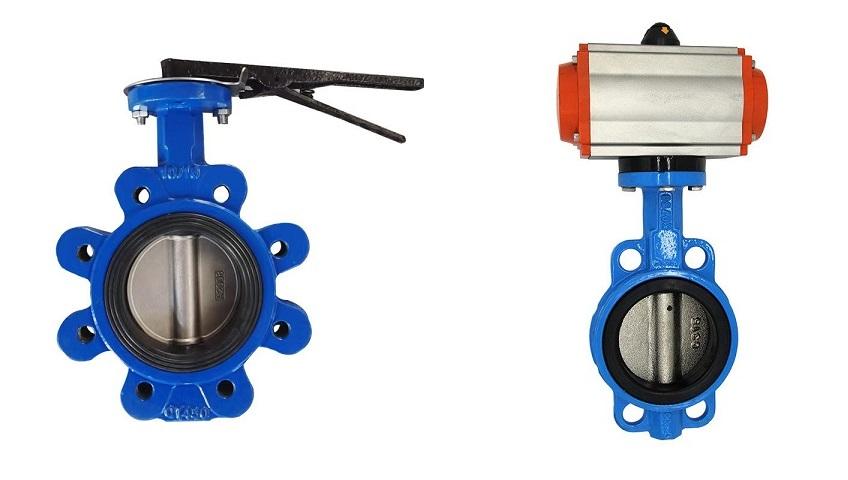
This article explains the differences between lug type and wafer type butterfly valves, including their design, installation methods, applications, and advantages.
What is a lug butterfly valve?
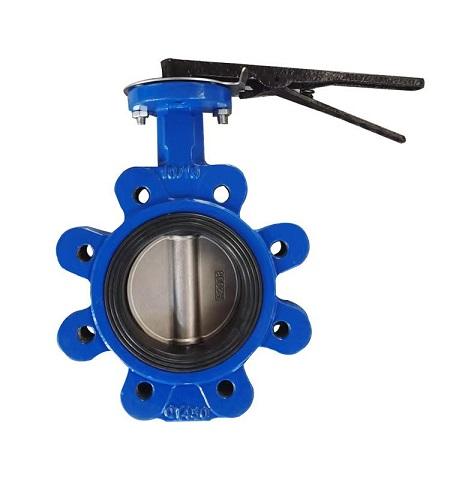
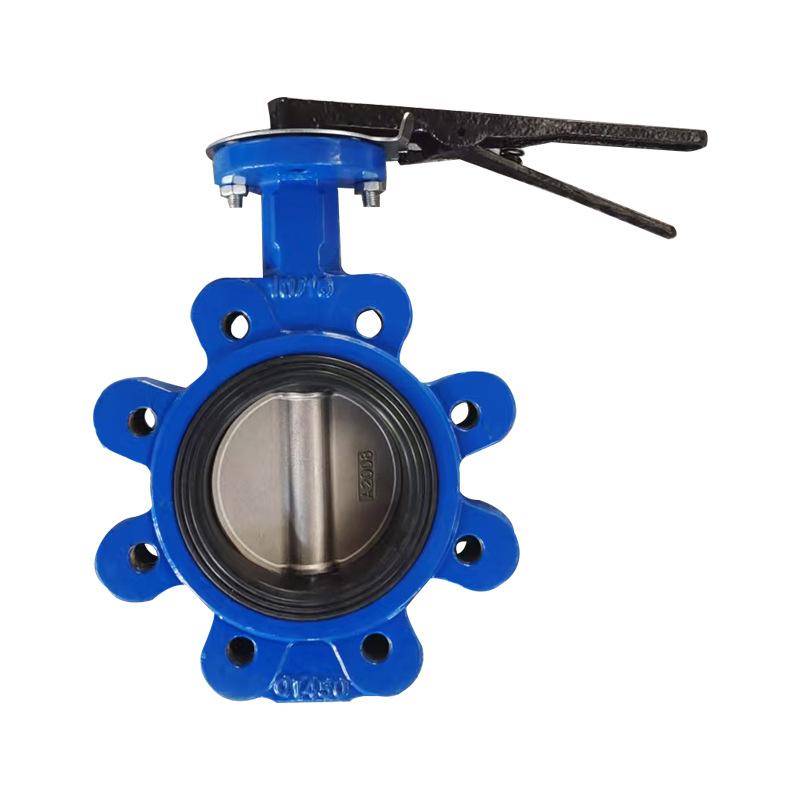
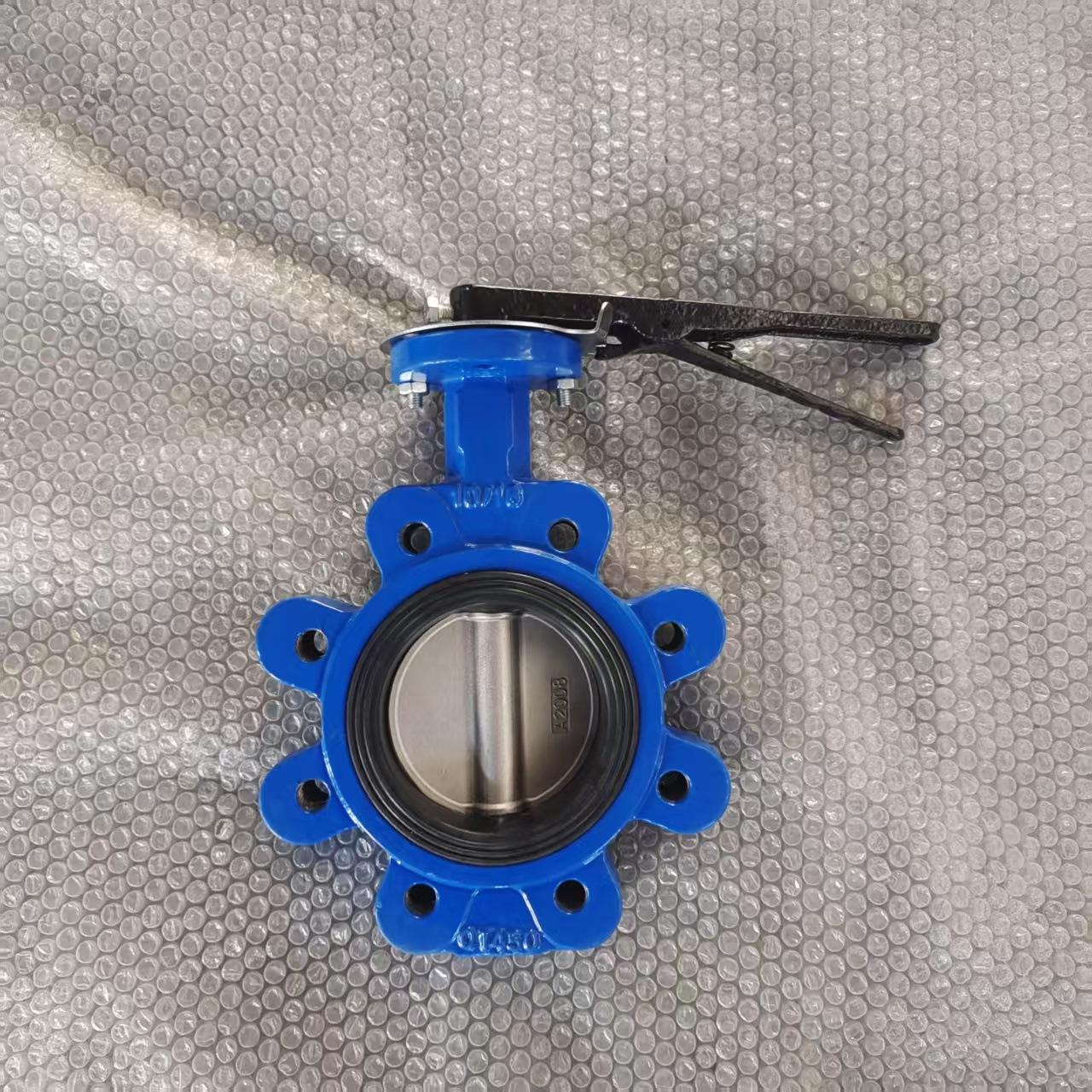
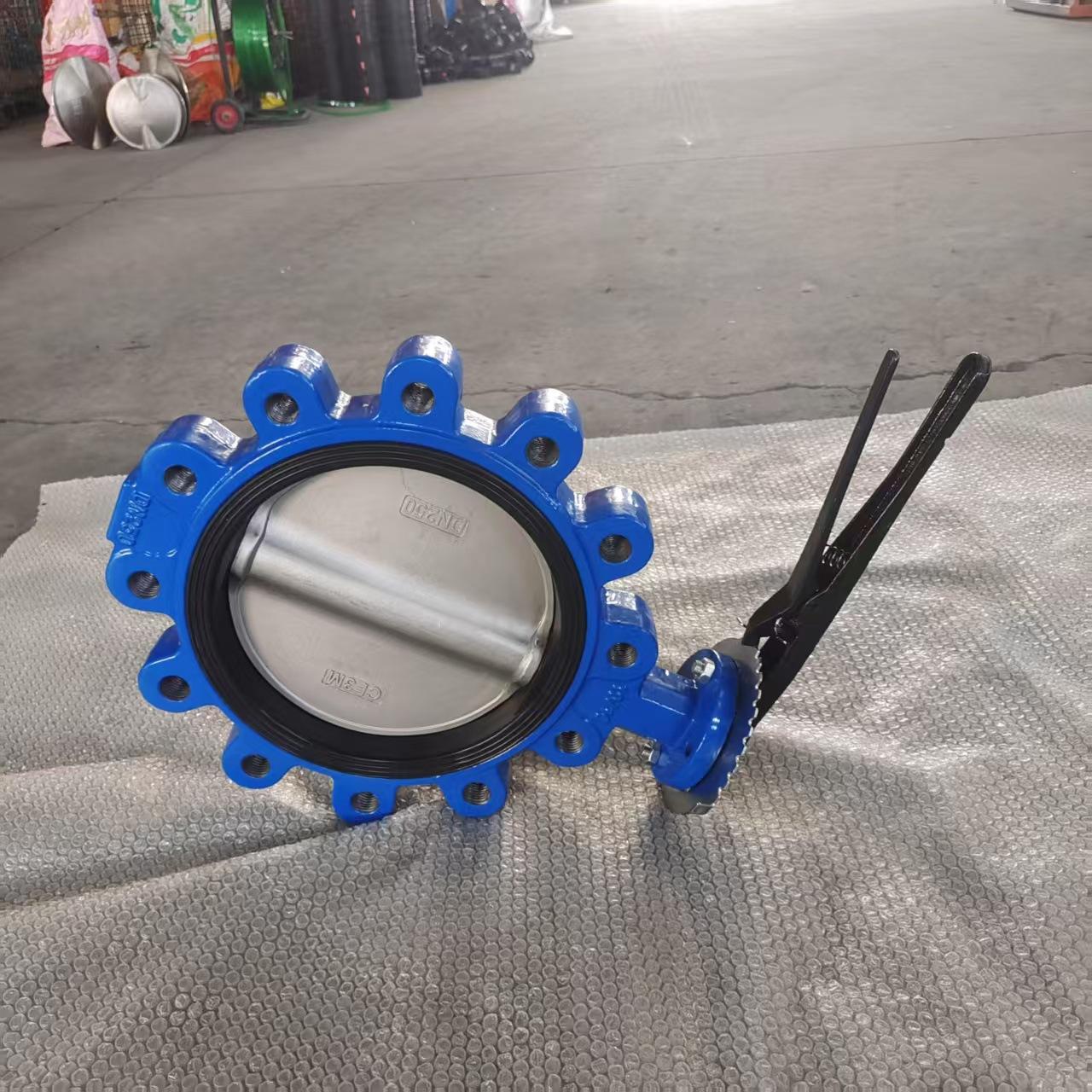
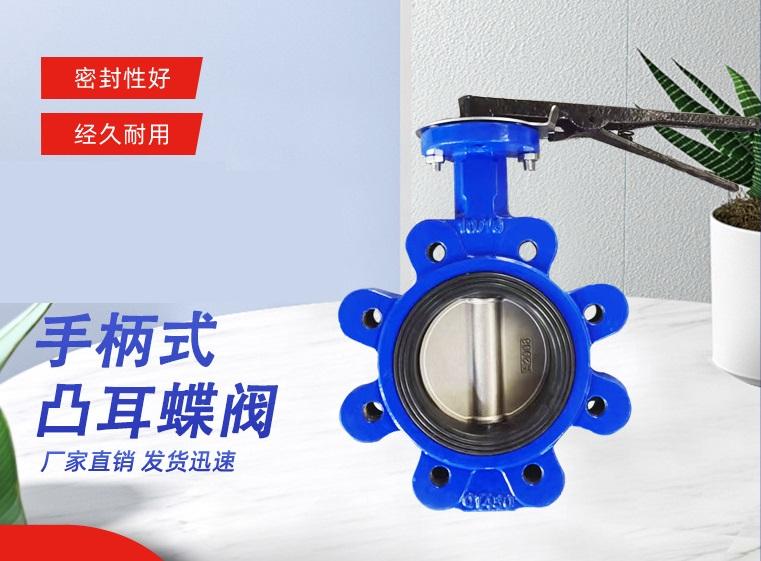
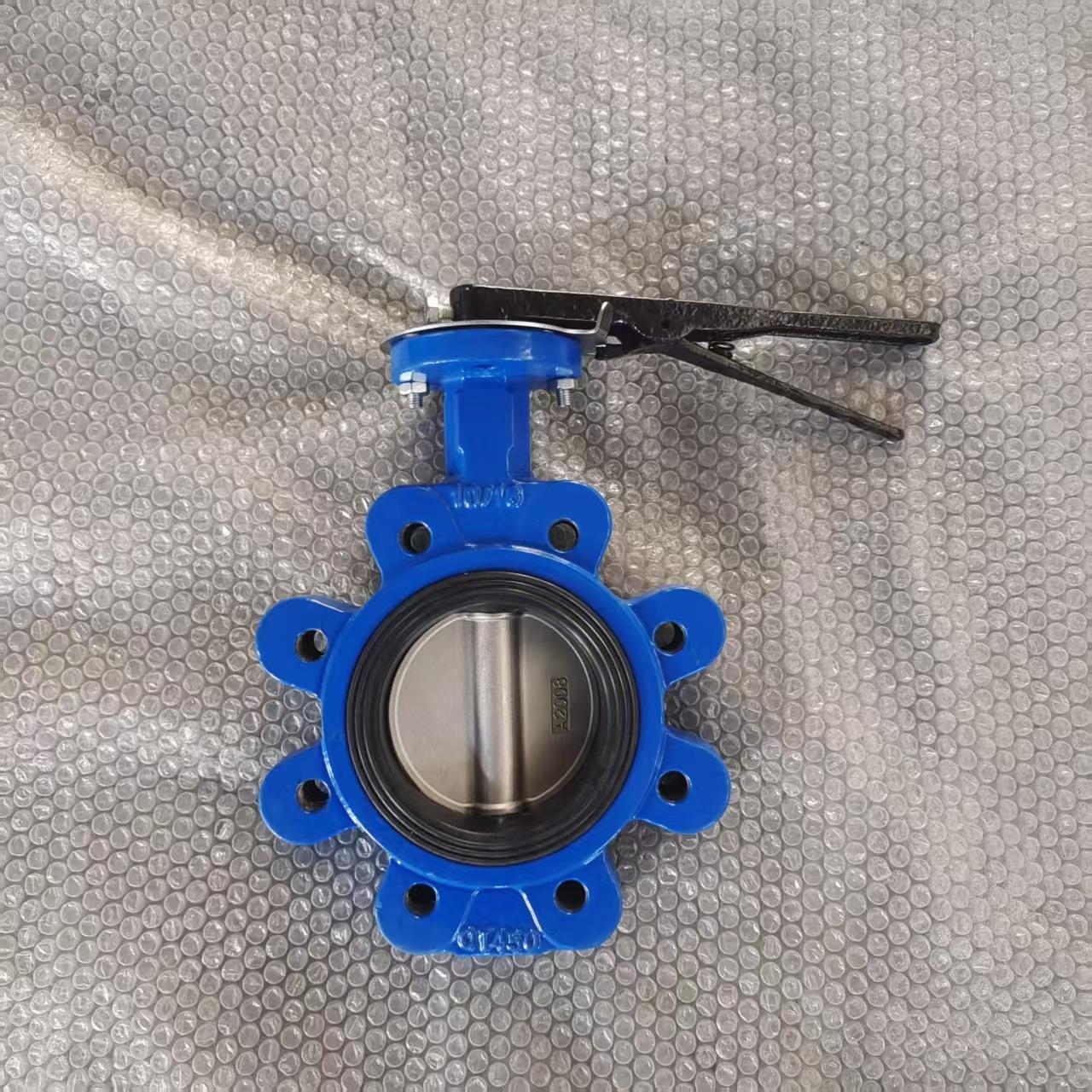
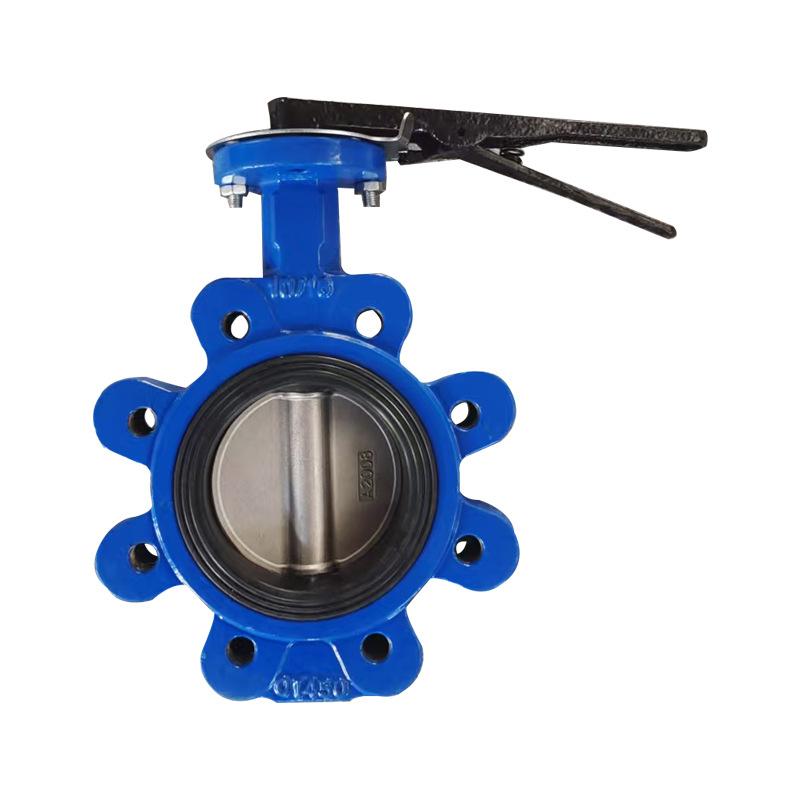
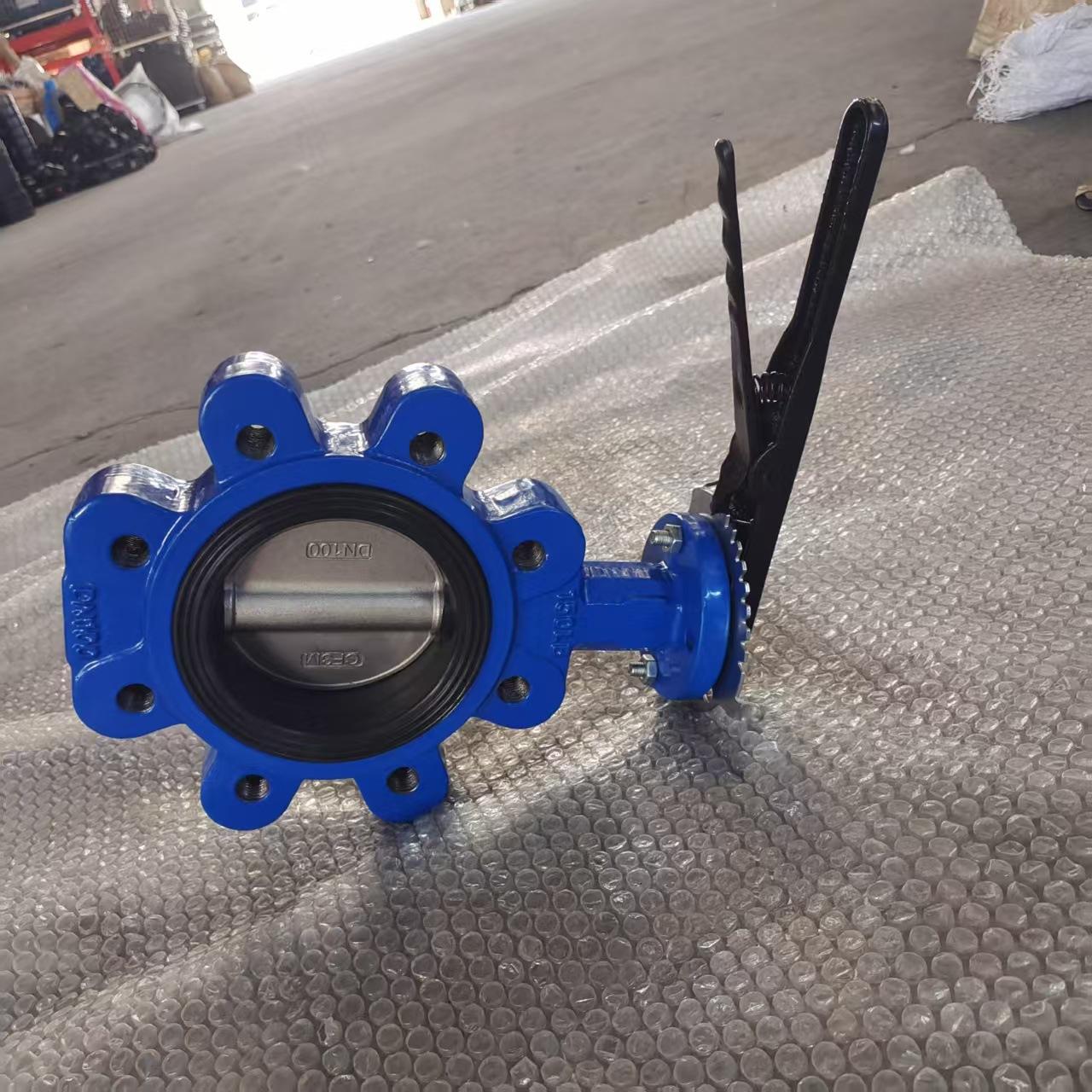
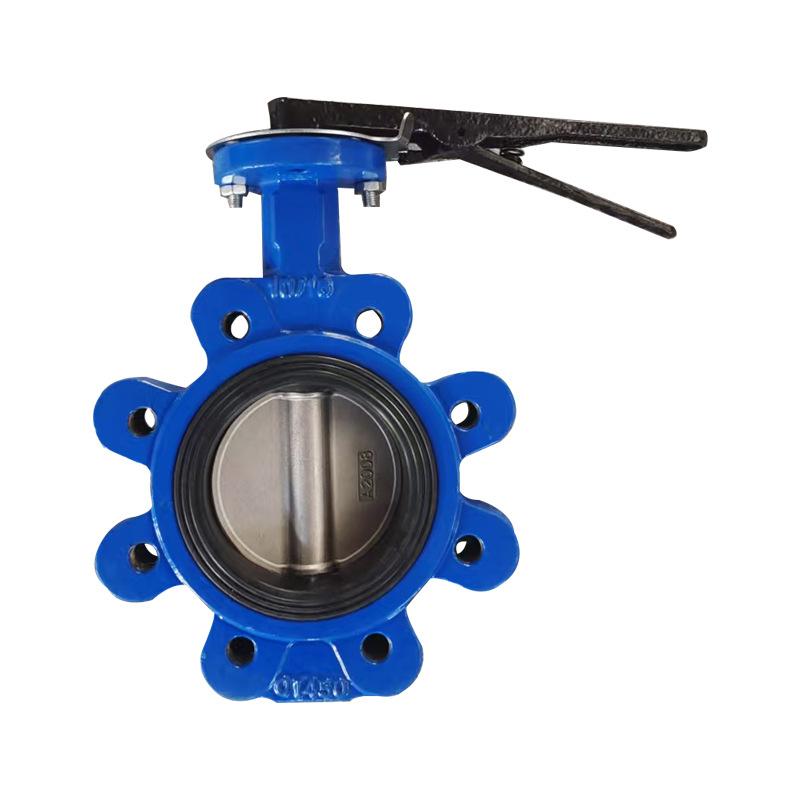
A lug butterfly valve is a type of quarter-turn valve that regulates fluid flow by rotating a disc inside a pipe. Unlike the wafer design, lug butterfly valves feature threaded lugs around the valve body that allow them to be bolted directly to flanges on the pipeline. These lugs provide a secure connection and enable one side of the pipeline to be disconnected without disturbing the other side.
Lug butterfly valves typically consist of a circular disc, a stem, and a resilient seat, enclosed in a valve body with threaded lugs. They are commonly used in applications where maintenance or removal of sections of the pipeline is required without shutting down the entire system. The valve can be operated manually with a lever, gear operator, or automatically using pneumatic or electric actuators.
These valves are widely used in industries such as water treatment, chemical processing, HVAC systems, oil and gas, and food and beverage processing due to their durability, ease of installation, and ability to handle moderate pressure levels. It is essential to select the appropriate material for the body and disc, such as cast iron, stainless steel, or ductile iron, depending on the medium and environmental conditions.
What is a wafer butterfly valve?
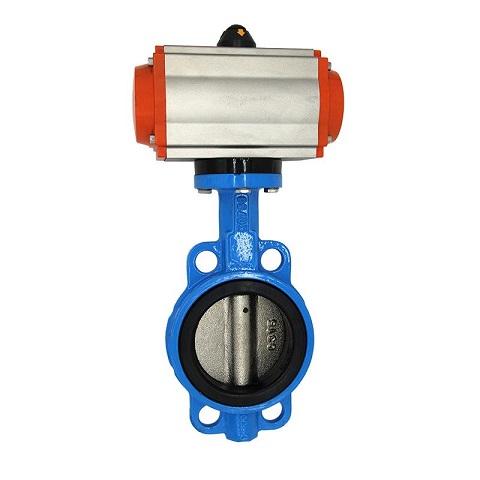
A wafer butterfly valve is another type of quarter-turn valve designed to regulate flow by rotating a disc inside the pipeline. Unlike lug butterfly valves, wafer butterfly valves are designed to fit directly between two pipe flanges without the need for threaded lugs. The valve is sandwiched between the flanges and held in place by the flange bolts.
Wafer butterfly valves are lightweight and more compact compared to lug types, which makes them ideal for installations where space is limited. They have a simple design, typically consisting of a valve body, disc, stem, and a resilient seat, which creates a tight seal when the valve is closed. The disc rotates 90 degrees to control fluid flow, providing reliable and efficient performance.
These valves are commonly used in water supply systems, HVAC pipelines, chemical and food processing industries, and low to medium-pressure applications. While wafer valves are generally less expensive than lug butterfly valves, they require careful alignment of flanges during installation to ensure a proper seal and avoid leaks.
What is the difference between lug and wafer butterfly valves?
Although both lug and wafer butterfly valves serve the same primary function of controlling flow in pipelines, there are several key differences between them:
| Feature | Lug Butterfly Valve | Wafer Butterfly Valve |
|---|---|---|
| Connection type | Threaded lugs allow the valve to be bolted to one flange independently of the other. | Sandwiched between two flanges; held in place by flange bolts only. |
| Maintenance | One side of the pipeline can be removed without affecting the other side. | Pipeline must be disconnected on both sides to remove the valve. |
| Installation | Requires precise alignment but easier for retrofitting. | Compact and simpler but needs careful flange alignment. |
| Pressure rating | Generally higher pressure handling due to robust design. | Moderate pressure rating; suitable for low to medium pressures. |
| Cost | Typically more expensive due to additional lugs and robust construction. | Usually cheaper and lightweight. |
| Applications | Ideal for systems where maintenance or isolation is important. | Suitable for general-purpose flow control in simple pipelines. |
| Durability | More durable for long-term or industrial use. | Less robust but sufficient for moderate applications. |
In summary, the choice between lug and wafer butterfly valves largely depends on the installation requirements, pressure conditions, and the need for maintenance access in the pipeline.
What are the advantages of lug type butterfly valves?
Lug type butterfly valves offer several benefits, especially in industrial and commercial applications:
- Independent Flange Connection: Each flange can be disconnected independently, allowing for easier maintenance and isolation of pipeline sections without shutting down the entire system.
- High Pressure Capability: Lug valves are generally more robust and can handle higher pressure levels than wafer valves, making them suitable for demanding applications such as water treatment plants and industrial processes.
- Durable and Reliable: Constructed with heavy-duty materials, these valves are less prone to wear and tear, providing a long operational lifespan.
- Flexibility in Installation: Lug valves can be installed between flanges or at the end of pipelines with a blind flange for dead-end service.
- Enhanced Safety: Since one side can remain connected while the other is removed, maintenance and repairs can be conducted safely without full system shutdown.
Due to these advantages, lug butterfly valves are preferred in industries such as municipal water systems, chemical processing, and oil and gas pipelines where operational continuity is critical.
How to connect wafer type butterfly valve?
Connecting a wafer butterfly valve requires proper alignment and attention to detail to ensure a leak-free installation. The basic steps include:
- Flange Preparation: Ensure that the flanges on both ends of the pipeline are clean, flat, and aligned correctly. Flanges should match the valve’s face-to-face dimensions.
- Valve Positioning: Insert the wafer valve between the two flanges, making sure the disc is centered and slightly open to prevent damage during installation.
- Bolt Insertion: Insert flange bolts through the flange holes and the valve body, ensuring the bolts pass evenly around the valve circumference.
- Tightening: Gradually tighten the bolts in a crisscross pattern to distribute pressure evenly, preventing misalignment and ensuring a proper seal.
- Check Operation: After installation, rotate the valve disc manually to confirm smooth operation and correct positioning. Ensure that the disc fully opens and closes without obstruction.
- Pressure Test: Conduct a pressure test as per the system requirements to verify the integrity of the installation.
Proper installation is critical for wafer butterfly valves because misalignment can cause leaks, disc damage, or operational inefficiency.
What is a wafer butterfly valve used for?
Wafer butterfly valves are typically used for flow isolation and regulation in pipelines where space is limited, and the system operates at low to medium pressures. Some common applications include:
- Water Supply Systems: Used for regulating or isolating water flow in municipal or industrial water pipelines.
- HVAC Systems: Employed in heating, ventilation, and air conditioning pipelines to control air or water flow.
- Chemical Processing: Suitable for handling corrosive fluids with proper material selection.
- Food and Beverage Industry: Ideal for low-pressure pipelines carrying liquids or semi-liquids.
- Irrigation Systems: Commonly used in agricultural applications for water distribution control.
These valves are preferred for their compact design, lightweight structure, and cost-effectiveness, making them ideal for general-purpose pipelines where maintenance or high pressure isolation is not critical.
Materials and construction considerations for lug and wafer butterfly valves
Choosing the correct material for butterfly valves is critical to ensure performance, longevity, and compatibility with the fluid medium. Common considerations include:
- Valve Body: Cast iron, ductile iron, stainless steel, carbon steel, or PVC depending on pressure, temperature, and chemical compatibility.
- Valve Disc: Stainless steel, carbon steel, aluminum bronze, or coated with resilient materials like PTFE or rubber for better sealing.
- Valve Seat: Rubber (EPDM, NBR), PTFE, or metal for high-temperature applications, providing a tight seal.
- Stem: Stainless steel or alloy steel for corrosion resistance and durability.
Lug valves typically require more robust construction due to higher pressure and isolation capabilities, whereas wafer valves are usually lighter and more compact for ease of installation.
Common applications and industries for lug and wafer butterfly valves
Both lug and wafer butterfly valves have widespread industrial applications. Here are the main sectors where they are used:
- Water Treatment Plants: Both types are used for controlling water flow, isolating sections of the plant, and regulating pressure.
- Chemical and Petrochemical Industries: Lug valves are often preferred for corrosive chemicals and higher pressure pipelines, while wafer valves are used for simpler low-pressure flows.
- HVAC Systems: Wafer valves are commonly used in heating and cooling pipelines due to their compactness and ease of installation.
- Food and Beverage: Wafer valves are ideal for low-pressure fluid transport, while sanitary lug valves can be used in specific sections requiring isolation.
- Irrigation and Agriculture: Wafer valves control water distribution efficiently in large-scale irrigation pipelines.
- Oil and Gas: Lug valves are preferred for pipelines handling high-pressure fluids and for sections requiring frequent maintenance or isolation.
The choice between lug and wafer valves is driven by installation requirements, system pressure, the need for maintenance, and space availability.
Conclusion: Choosing between lug and wafer butterfly valves
In conclusion, both lug and wafer butterfly valves provide effective flow control in pipelines, but each has distinct advantages and limitations:
- Lug Butterfly Valve: Ideal for high-pressure applications, maintenance access, and pipelines requiring one-sided disconnection. They are more durable, robust, and slightly more expensive.
- Wafer Butterfly Valve: Perfect for low to medium pressure applications, compact installations, and cost-sensitive projects. They are lightweight, simple to install, but require complete flange disconnection for removal.
Selecting the right valve depends on the specific requirements of the pipeline, the fluid being transported, and operational considerations such as maintenance and pressure ratings. By understanding the differences, advantages, and proper installation methods of lug and wafer butterfly valves, engineers and technicians can ensure optimal performance, safety, and efficiency in their systems.