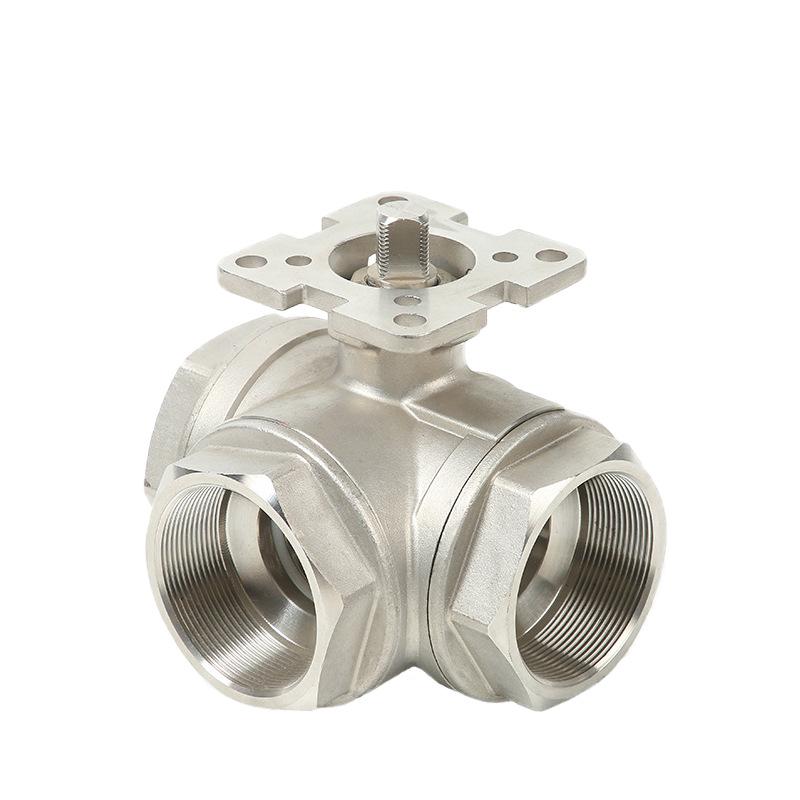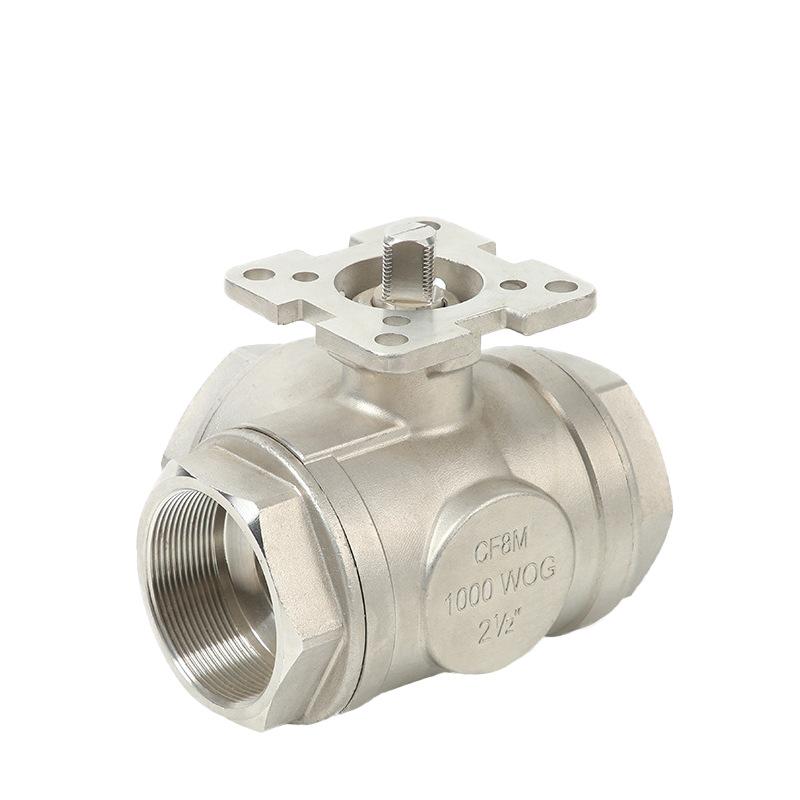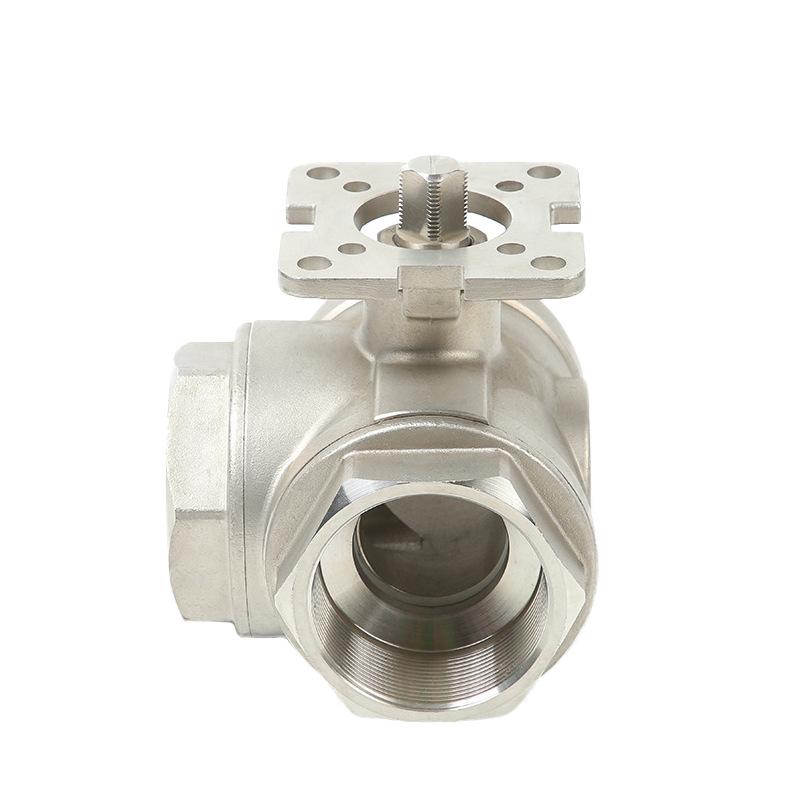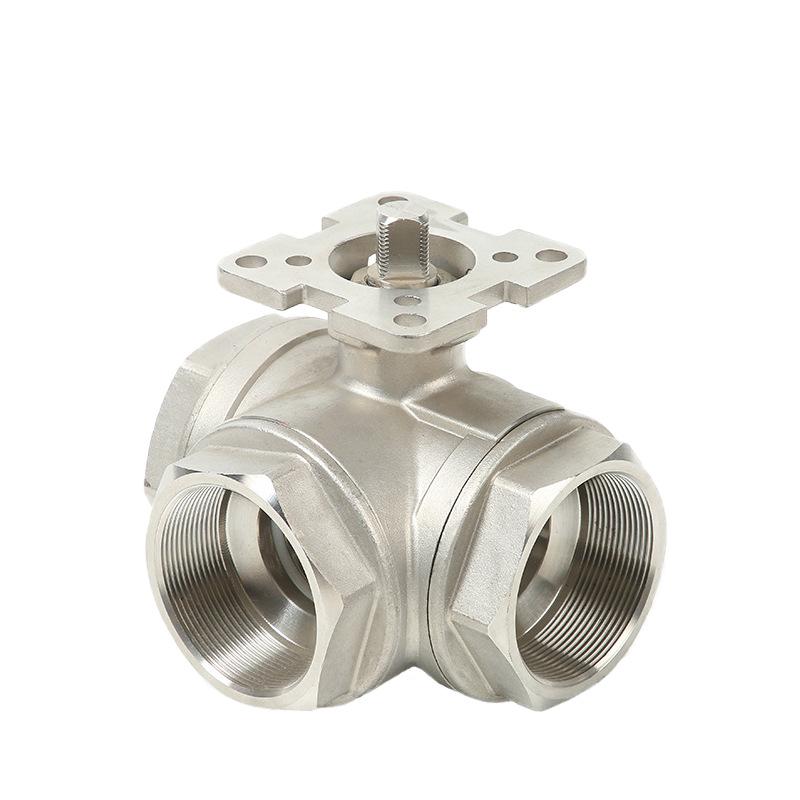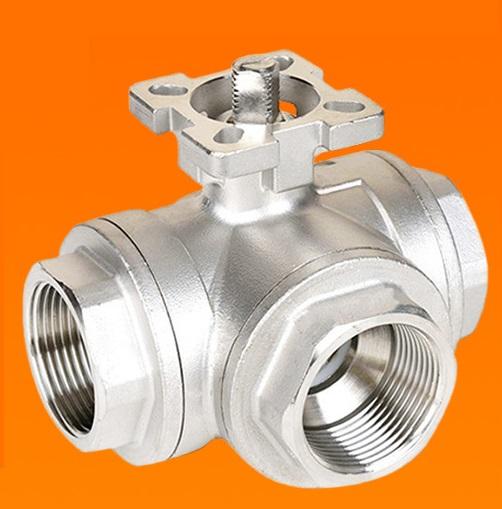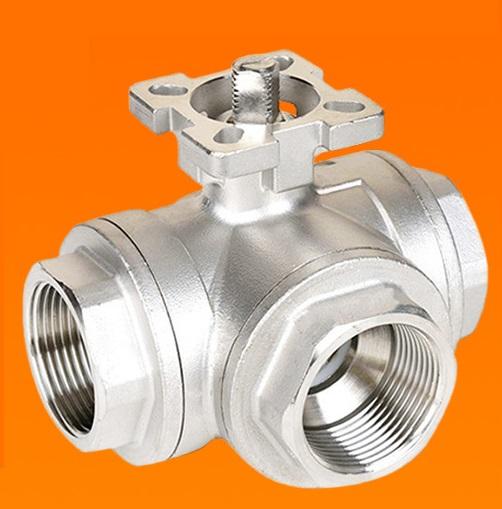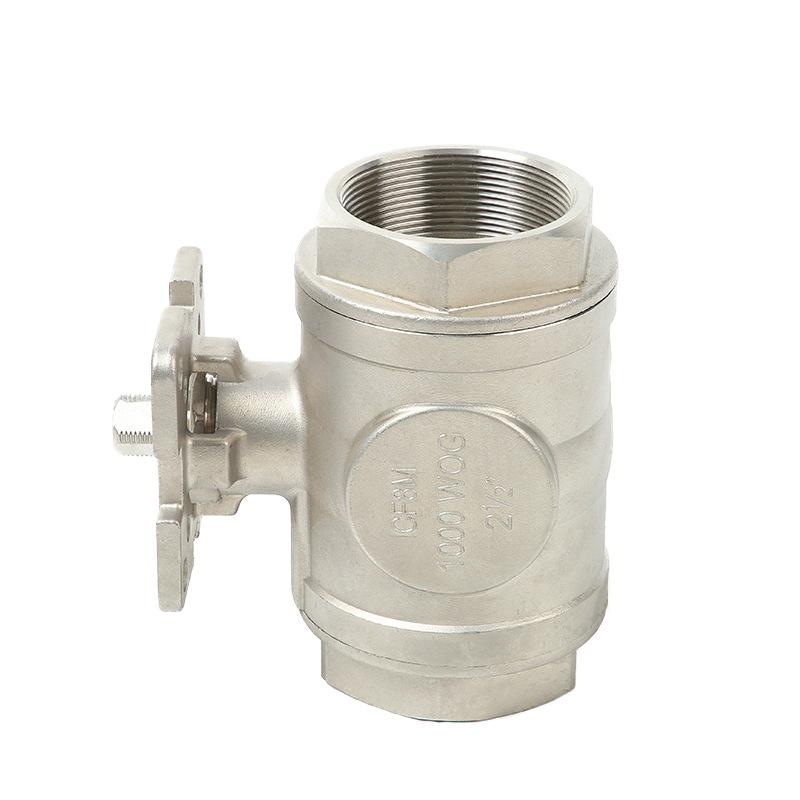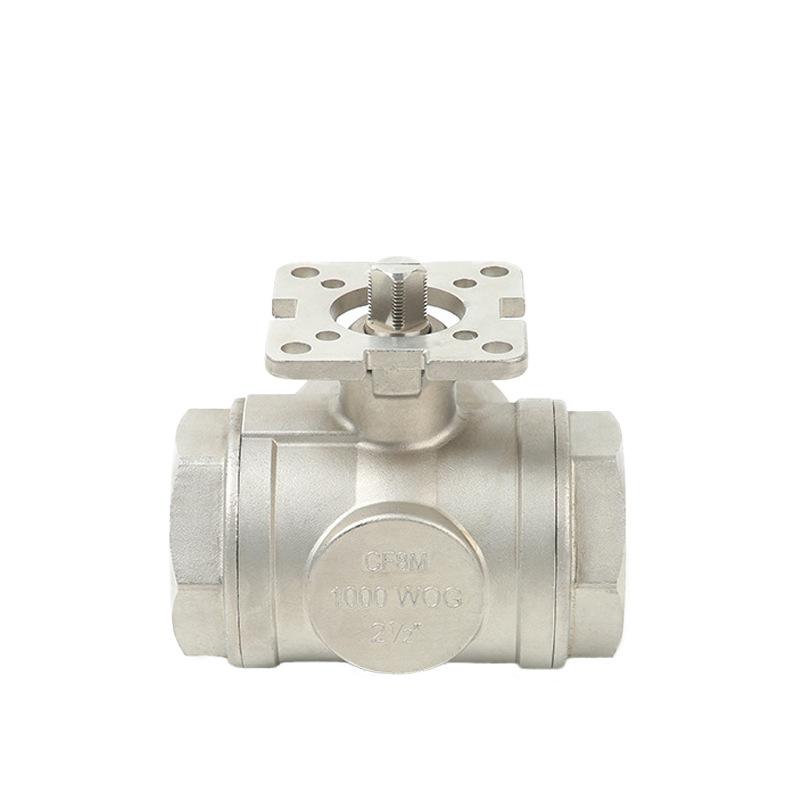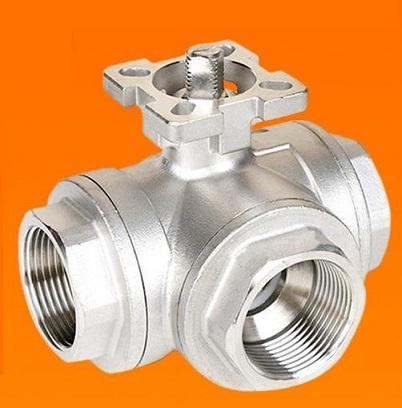
This article explains everything about 3-way valves—including how they work, how to operate them, their internal flow paths, the differences between mixing and diverting designs, and common troubleshooting steps. 3-way valves control how fluids move through plumbing, HVAC, or industrial systems by directing flow between multiple ports.
What is a 3-way valve?
A 3-way valve is a valve with three ports that can control fluid flow in one of several configurations: mixing two inlets into one outlet, diverting one inlet to two outlets, or allowing controlled proportioning. These valves are used in HVAC systems, hydronic heating, industrial process control, water management, irrigation, chemical processing, and gas distribution.
The three ports are typically named:
- A port – often an outlet
- B port – second outlet or inlet
- AB port – common port that connects to A or B
Their versatility makes them essential for maintaining stable temperature, regulating flow, or switching between circuits.
How does a 3-way valve work?
A 3-way valve works by moving an internal mechanism—usually a ball, plug, paddle, or disc—to open or close flow paths between its three ports. The internal mechanism is connected to a handle, actuator, or motor, which rotates or slides it into position.
Essential mechanisms include:
- Ball mechanism — most common; rotates 90° or 180° to redirect flow
- Plug mechanism — cylindrical plug with a channel that aligns with ports
- Globe / linear mechanism — moves up/down to proportion flow
The valve can perform two primary functions:
- Mixing: combine flows from Port A and Port B into Port AB
- Diverting: send flow from AB to either A or B
The exact operation depends on internal geometry and orientation in the system.
What are the positions of a 3-way valve?
A 3-way valve typically has **three main positions** depending on its design:
- Position 1 – Full Flow to Port A: Port AB → Port A open; Port B closed
- Position 2 – Full Flow to Port B: Port AB → Port B open; Port A closed
- Position 3 – Split or Mixed Flow: Flow proportioned between A and B (or from A & B to AB)
Many valves include intermediate modulating positions when powered by an actuator, allowing accurate temperature or pressure control.
Is a 3-way valve diverting or mixing?
A 3-way valve can be either—it depends on how it is installed and the internal flow pattern.
Mixing 3-Way Valve
- Two inlets (A + B) → one outlet (AB)
- Used to mix hot and cold water, or blend return water streams
Diverting 3-Way Valve
- One inlet (AB) → two outlets (A or B)
- Used to direct flow to different zones, circuits, or equipment
**The same physical valve body may be used either way** by changing its orientation in the piping system.
How to operate a 3-way valve?
Operating a 3-way valve depends on the type of actuator connected to it. Below is a simple step-by-step guide.
- Identify the ports by locating markings on the valve body: A, B, and AB (common).
- Determine whether your valve is installed as mixing or diverting.
- Locate the actuator or handle. • Manual valves have a rotating handle. • Motorized valves use a servo or stepper motor.
- Rotate the handle 90° (ball valves) or 180° (some plug valves) to switch between A and B.
- For modulating control valves, adjust through the controller (thermostat, PLC, HVAC controller).
- Check system response—temperature, flow direction, or pressure should change accordingly.
If manually operated, make sure the handle position indicator matches the flow path diagram engraved on the valve.
3-way valve diagram
Below are common diagrams for a 3-way valve (text-based for clarity).
Mixing Valve
   A ----\
          >---- AB
   B ----/

Diverting Valve
        AB
       /
   A -----
       \
        B
Ball-type 3-way valve flow paths:
L-Port Ball Valve (Diverting)
        A
        |
   AB --*-- B
        Flow connects AB→A or AB→B

T-Port Ball Valve (Mixing/Diverting)
        A
        |
   AB --*-- B
        Flow can:
        • Mix A+B→AB
        • Divert AB→A/B
        • Allow full pass-through
Can you close a 3-way valve?
**Yes—but only certain types can fully close all ports.** Not all 3-way valves are designed to shut off flow completely.
Types that can fully close:
- L-port ball valves with a 0-degree "off" position
- T-port ball valves with an "all closed" position
- 3-way plug valves designed for shutoff
Types that cannot fully close:
- Mixing valves that always allow some bypass
- HVAC globe-type 3-way valves intended to maintain system recirculation
Always check manufacturer diagrams to confirm whether shutting off all ports is possible.
How do 3-way ball valves work?
A 3-way ball valve uses a rotating ball with a drilled L-shaped or T-shaped port to direct flow.
L-Port Internal Ball
- Used mainly for diverting
- Can switch flow between two outlets
- Some models allow a full shutoff position
T-Port Internal Ball
- Can mix flows from two inlets
- Can divert flows between two outlets
- Can allow straight-through flow
Operation steps:
- The handle turns the stem.
- The stem rotates the ball inside.
- The channel inside the ball aligns with ports.
- Flow direction changes instantly with minimal pressure drop.
What are the advantages of using a 3-way valve?
3-way valves offer numerous benefits across HVAC, fluid control, and industrial systems.
- Simplifies piping – one valve performs functions that would otherwise require two valves.
- Reduces cost – fewer fittings, less installation time.
- Precise control – especially when paired with actuators.
- Multi-function – can mix, divert, or proportion flow.
- Improves system efficiency – supports stable temperature and pressure.
- Low maintenance – especially ball-type valves.
- Compact design – ideal for tight mechanical rooms.
How to install a 3-way valve?
Installing a 3-way valve requires correct orientation, sealing, and verification to ensure the system functions as intended.
- Identify port markings: A, B, AB.
- Choose mixing or diverting configuration based on piping design.
- Align the valve body so AB is the common port.
- Use thread sealant or PTFE tape where appropriate.
- Attach the actuator (if motorized).
- Test in all positions to verify correct flow direction.
A pressure test should be performed before full system commissioning.
3-Way Valve Materials and Selection Guide
Choosing the right valve depends on temperature, pressure, and media compatibility.
| Material | Best For |
|---|---|
| Brass | HVAC, water, compressed air |
| Stainless Steel | Chemical processing, high pressure, corrosive fluids |
| PVC | Irrigation, low-pressure water systems |
| Bronze | Marine environments |
Actuator types include manual lever, electric motor, spring-return, and pneumatic actuator.
What are the common problems with a 3-way valve?
3-way valves can experience various issues over time.
Typical Problems
- Sticking or jamming — mineral buildup, corrosion, or old grease
- Internal leaks — worn ball seals or plug seats
- Incorrect flow direction — ports plumbed backward
- Actuator failure — motor burnout or gearbox issues
- Handle misalignment — wrong flow path shown
- Bypass issues — in HVAC systems where mixing valves must maintain minimum flow
Symptoms
- Temperature swings in HVAC systems
- Flow not switching between loops
- Poor mixing or uneven circulation
- No response to actuator signals
Maintenance Tips for 3-Way Valves
To ensure long-term reliability:
- Operate the valve through its full range quarterly
- Check for leaks around stem seals
- Clean or replace filters upstream
- Lubricate mechanisms (if recommended)
- Inspect actuator linkage annually
Maintenance reduces energy costs and extends equipment lifespan.