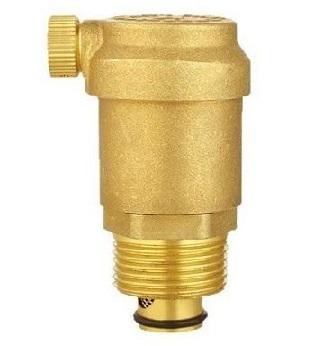
Air vent valves—also known as automatic air vents, air release valves, or air relief valves—play a crucial role in plumbing, heating, and industrial piping systems. They help remove trapped air, protect equipment, improve efficiency, and ensure stable system operation.
This comprehensive article explains what air vent valves are, how they work, the different types available, common applications, troubleshooting methods, and best-practice usage scenarios.
What is an air vent valve?
An air vent valve is a mechanical device designed to release trapped air from a fluid system such as:
- heating systems (radiators, boilers, hydronic circuits)
- water supply pipelines
- irrigation systems
- HVAC systems
- industrial processing lines
Even though many systems ideally operate with liquid-only flow, air often becomes trapped due to:
- system filling
- leaks
- dissolved gases
- high points in piping
- temperature changes
Excess air can cause:
- reduced efficiency
- noisy operation
- corrosion
- pump cavitation
- pressure fluctuations
- blocked flow
Main components of an air vent valve
Although designs vary, most air vent valves include:
- Valve body: typically brass or stainless steel, designed to withstand water pressure and corrosion.
- Float mechanism: rises and falls with changing air/water levels.
- Vent outlet: releases air to the atmosphere or a controlled location.
- Seal or cap: prevents water leakage when the valve is not venting.
- Threaded connection: enables installation in radiator tops, pipeline high-points, or system manifolds.
What the valve actually does
When trapped air accumulates inside a system, it displaces water. The float drops, opening the vent hole and allowing the air to escape. As water returns and lifts the float, the vent closes automatically.
This small mechanical process significantly improves:
- heating efficiency
- pump and valve performance
- flow stability
- equipment lifespan
How does an air vent valve work?
Air vent valves operate based on a simple float-controlled mechanism that opens or closes the vent port depending on the presence of air or water.
Stages of operation
-
Air accumulation
Air collects at the highest point of a radiator, pipeline, or heating circuit.
Since air is lighter than water, it naturally rises and gathers around the vent valve. -
Float drops
As air pushes water downward, the internal float loses buoyancy and moves downwards. -
Valve opens
The downward motion opens the vent outlet, allowing the trapped air to escape. -
Air release
Air exits the system through the vent port, sometimes producing a gentle hissing sound. -
Float rises
Once air is gone, water rises again and lifts the float. -
Valve closes
The vent seals tightly to prevent water leakage.
Why this mechanism is important
Trapped air pockets cause:
- reduced water flow in radiators and pipelines
- "cold spots" in heating systems
- pump noise and vibration
- corrosion from oxygen exposure
- inaccurate sensor readings
An air vent valve prevents these issues continually and automatically, making it one of the simplest yet most important components in fluid systems.
Types of air vent valves
Air vent valves come in several designs tailored for specific environments, system pressures, and functions.
Automatic air vent valves
These valves open and close automatically with no manual intervention.
They have:
- an internal float
- automatic sealing mechanism
- compact design
Commonly used in:
- boiler systems
- radiant heating manifolds
- closed-loop hydronic systems
- industrial water circuits
Manual air vent valves (bleeder valves)
Manual valves require users to open a small screw or knob to release trapped air.
Typical uses include:
- radiators in home heating systems
- older hydronic systems
- low-pressure equipment
- systems where air must be purged occasionally
Vacuum breakers / air admittance valves
These valves let air enter a system to prevent siphon effects or vacuum collapse.
Used in:
- drainage systems
- irrigation networks
- long water supply pipelines
High-capacity air release valves
These industrial valves handle large volumes of air at high flow rates.
They are essential for:
- municipal water supply lines
- long-distance pipelines
- pressurized irrigation systems
- chemical processing facilities
High-temperature and steam air vent valves
Specialized designs for:
- steam boilers
- condensate lines
- high-temperature heat exchangers
These valves use stainless steel floats and heat-resistant seals.
How to use an air vent valve?
Using an air vent valve depends on the type—automatic or manual—and the system in which it is installed.
For automatic vent valves
- Install in high points of the system where air naturally collects.
- Ensure the valve remains upright for float operation.
- Open or loosen the cap (if a safety cap is included) to allow automatic venting.
- Monitor the system pressure to ensure water does not discharge abnormally.
- Periodically check for leaks around the vent outlet.
For manual vent valves
Manual operation procedure:
- Turn off the pump to reduce system pressure.
- Locate the vent valve (usually at radiator top corners).
- Place a container or cloth underneath to catch drips.
- Turn the vent screw counterclockwise slowly.
- Allow air to escape until water flows steadily.
- Close the screw tightly but gently.
- Restore pump operation.
General usage precautions
- Do not overtighten caps or screws.
- Always vent air with the system depressurized (for manual valves).
- Ensure the system is filled with the correct fluid level after venting.
Should the air vent valve be open or closed?
This is one of the most common questions among homeowners and maintenance technicians.
Automatic air vent valves
The small top cap should generally be loosened (open) so the valve can vent air freely.
However, the cap should be tightened (closed) in these situations:
- during system servicing
- when there is water leakage
- when the valve is being removed or replaced
- if the system is prone to water hammer or sudden pressure surges
Manual air vent valves
Manual valves should always remain closed except when venting air.
Leaving a manual bleeder open may cause:
- continuous water leakage
- pressure loss
- corrosion around radiator fittings
Rule of thumb
| Valve Type | Normal Position | Reason |
|---|---|---|
| Automatic air vent valve | Slightly open / vent-cap loosened | Allows automatic air release |
| Manual air vent valve | Fully closed | Prevents water leakage; only open when bleeding |
What happens if an air relief valve fails?
A failing air vent valve may fail open or closed, each causing different problems.
If the valve fails open
Water will leak continuously from the vent.
Consequences include:
- drop in system pressure
- water damage around the valve
- boiler shutdown due to low pressure
- corrosion of nearby components
If the valve fails closed
Air becomes trapped inside the system.
This leads to:
- noisy operation ("gurgling", "hissing", or hammering sounds)
- reduced heat output from radiators
- pump cavitation and overheating
- inaccurate temperature readings
- uneven heating or cooling
- blocked water flow
Mechanical failure causes
Air vent valves may fail due to:
- worn float mechanisms
- mineral buildup
- corrosion
- faulty seals
- contamination from sludge or rust
Regular inspection and periodic replacement help prevent these issues.
What are the signs of a bad air relief valve?
A failing air vent valve often shows clear symptoms.
Common signs:
-
Water leakage
Dripping or spraying from the vent outlet is the most obvious sign. -
Constant hissing
Indicates the vent is stuck open or the seal is damaged. -
No air discharge
If a system has air problems but the automatic valve never vents, it may be stuck closed. -
Corrosion around the valve body
Rust or mineral deposits indicate repeated leakage or internal damage. -
Radiator cold spots
Air trapped at the top reduces heat output. -
Boiler pressure fluctuations
Faulty vent valves cause system imbalance. -
Unusual noises
Gurgling, banging, or whistling noises often mean air is trapped and the valve isn’t functioning.
When replacement is necessary
Replace the valve immediately if:
- it leaks continuously
- the float mechanism fails
- venting becomes intermittent or unreliable
- the valve is more than 5–10 years old (depending on system quality)
Applications of air vent valves
Air vent valves are used in a wide variety of systems to improve efficiency and maintain safe operation.
1. Residential heating systems
- hot water radiators
- baseboard heaters
- combi boiler circuits
- underfloor heating manifolds
They eliminate air pockets that cause uneven heating.
2. Industrial water systems
- cooling water loops
- chilled water systems
- solar thermal systems
- industrial heat exchangers
Air venting prevents pump damage and improves temperature control.
3. Irrigation and agriculture systems
- drip irrigation lines
- long-distance distribution pipelines
These valves prevent vacuum formation and pipe collapse.
4. Municipal water pipelines
Large air relief valves release high volumes of trapped air during:
- pipe filling
- pressure fluctuations
- routine operation
They help protect the pipeline from surge pressures.
5. Steam and high-temperature systems
Specialized high-temperature air vents remove non-condensable gases from:
- steam boilers
- condensate return lines
- sterilization systems
How to maintain an air vent valve
Regular maintenance improves valve lifespan and system performance.
Maintenance steps
-
Inspect the valve for leaks
Even small drips should be addressed immediately. -
Check the float mechanism (for automatic valves)
Mineral deposits may cause sticking. -
Flush or clean sediment
Disassemble the valve if it is designed for cleaning. -
Check system water quality
High mineral content increases failure risk. -
Ensure proper cap position
For automatic valves, ensure the cap is not overtightened. -
Replace worn seals
Rubber or silicone seals degrade over time.
When to replace the valve
Replace the valve if:
- corrosion is visible
- sediment cannot be removed
- the valve frequently leaks
- the float mechanism becomes unreliable
How to install an air vent valve
Proper installation ensures reliable operation.
Installation guidelines
- Locate the highest point of the circuit.
- Install the valve upright, never sideways.
- Use thread seal tape or pipe dope.
- Hand-tighten first, then lightly tighten with a wrench.
- Open the vent cap slightly (for automatic valves).
- Pressurize the system and check for leaks.
Common installation mistakes
- installing the valve sideways
- overtightening the cap
- leaving manual valves open
- failing to purge air after installation
Conclusion
Air vent valves are essential components in heating, plumbing, irrigation, and industrial systems. They help remove trapped air, maintain proper water flow, protect pumps and equipment, and improve system efficiency.
Understanding:
- what an air vent valve is,
- how it works,
- how to use it,
- when it should be open or closed,
- how to troubleshoot failures,
allows you to maintain a healthy and efficient fluid system.