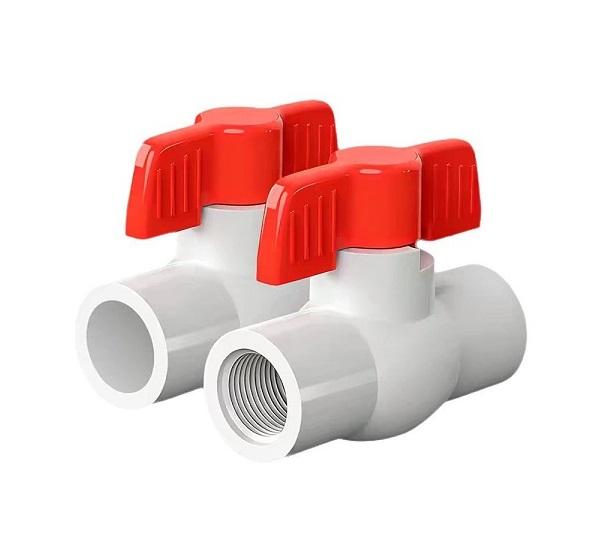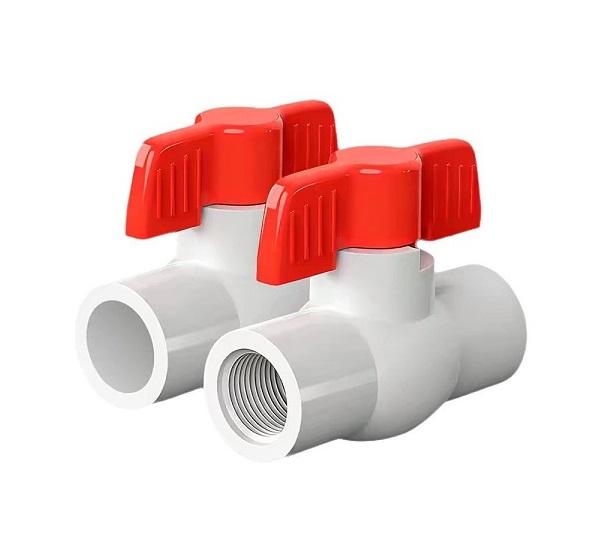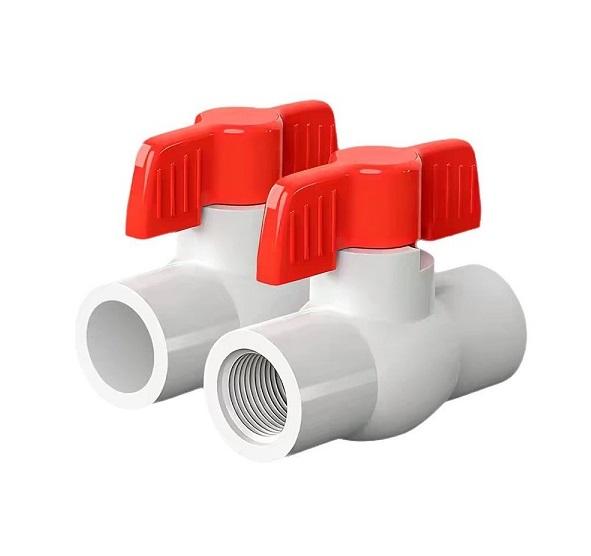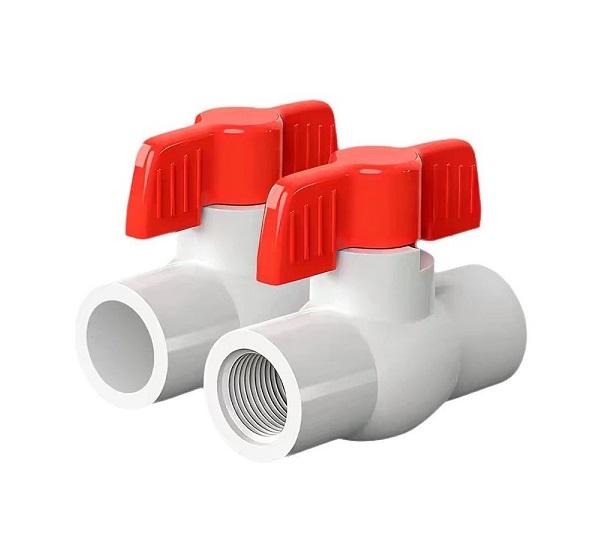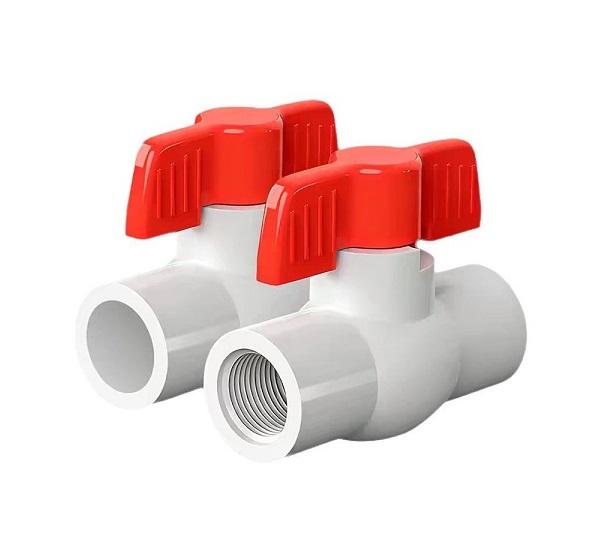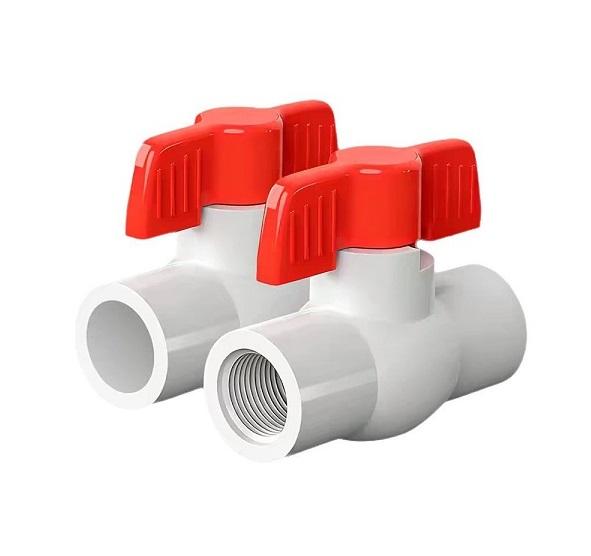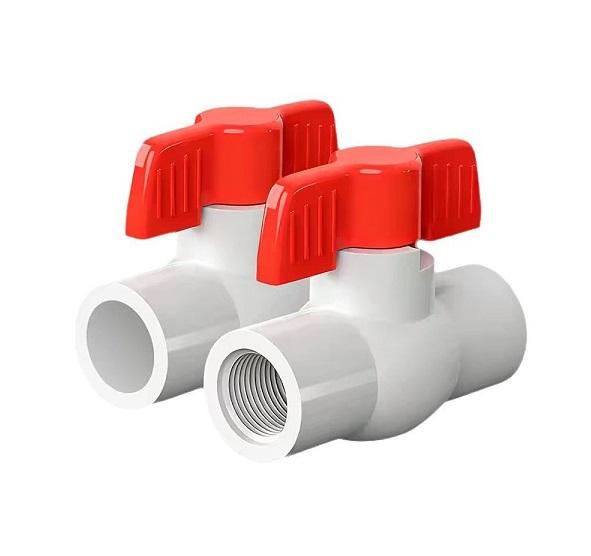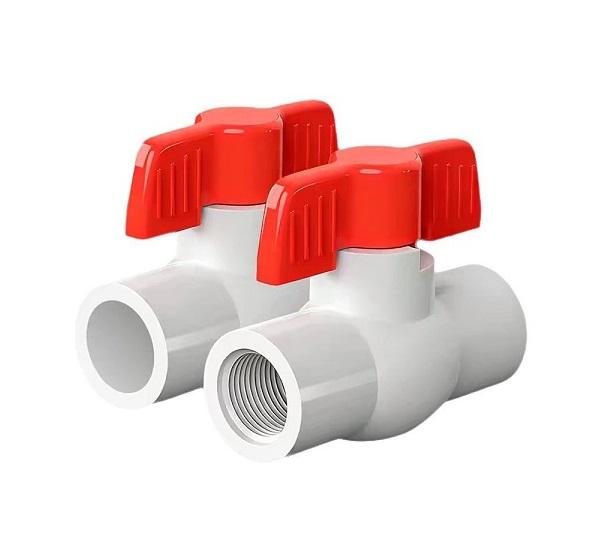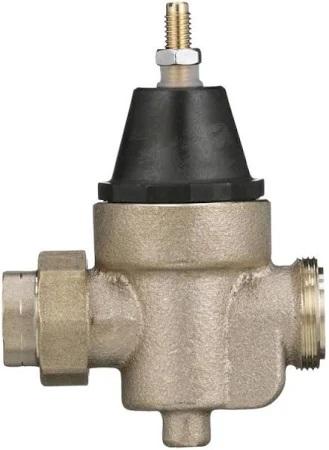
A pressure regulator valve is a critical component used in plumbing, industrial systems, HVAC, manufacturing, and fluid-control applications. This article provides a comprehensive and beginner-friendly overview of pressure regulator valves, including their functions, how they operate, symptoms of failure, types, costs, and common real-world applications.
What is a pressure regulator valve
A pressure regulator valve—often simply called a pressure regulator or PRV—is a mechanical device that automatically reduces a higher inlet pressure to a controlled, lower outlet pressure. It maintains this lower pressure regardless of fluctuations in the upstream (inlet) pressure.
Pressure regulator valves are used in a wide variety of systems, including:
- Residential plumbing (controlling municipal water pressure)
- Industrial air compressors and pneumatic equipment
- Gas distribution systems (natural gas, propane, oxygen lines)
- Hydraulic machinery
- HVAC and steam systems
- Irrigation and agricultural water systems
Most pressure regulators share three primary components:
- Valve body – Houses the internal components and provides flow pathways.
- Spring – Provides adjustable force that determines the downstream pressure.
- Diaphragm or piston – Reacts to pressure changes and modulates the valve opening.
What does a pressure regulator valve do?
A pressure regulator valve performs several essential functions depending on the application. The core purpose is to stabilize downstream pressure for safety, comfort, and equipment protection.
Here are the primary functions of a pressure regulator valve:
-
Reduce high incoming pressure
Municipal or industrial supply lines often deliver pressure that is too high for appliances or piping systems. Regulators safely lower that pressure.
-
Maintain a steady downstream pressure
Even when inlet pressure fluctuates, a regulator keeps outlet pressure stable for reliable system performance.
-
Protect equipment and appliances
Excessive pressure can damage washing machines, boilers, water heaters, pneumatic tools, and more.
-
Improve safety
Controlled pressure reduces the risk of pipe bursts, gas leaks, and equipment failures.
-
Enhance system efficiency
Consistent pressure improves the performance of irrigation systems, industrial machinery, and water distribution networks.
How does a water pressure regulator valve work?
A water pressure regulator valve uses a combination of mechanical components—typically a spring and diaphragm—to reduce and stabilize water pressure entering a home or building. It operates without electricity and relies entirely on hydraulics and mechanical balance.
Here is the basic process of how it works:
- Incoming high-pressure water enters the valve. Municipal water supply can exceed 100–150 psi, especially in multi-story or hillside communities.
- Water pushes against the diaphragm inside the regulator. The diaphragm is connected to a valve seat that opens or closes depending on the pressure.
- The spring applies a counterforce. The tension of the spring determines the desired downstream pressure. If the pressure is too high, the diaphragm compresses and reduces the valve opening.
- The valve automatically adjusts to maintain stable pressure. As downstream pressure changes, the diaphragm moves, modulating the valve opening size.
In short, a water pressure regulator continuously balances spring tension against water pressure. When pressure increases, the valve closes slightly; when pressure drops, it opens.
Features of pressure regulator valves
Pressure regulator valves include several design features that make them reliable, durable, and versatile across applications.
-
Adjustable Output Pressure
Many regulators include an external adjustment screw or knob to fine-tune the downstream pressure.
-
Spring-Loaded Diaphragm Operation
A spring provides the force that balances the pressure, ensuring automatic self-regulation.
-
Brass, Stainless Steel, or Composite Bodies
Materials vary depending on water, gas, chemical, or industrial use.
-
Built-In Filter Screens
Some regulators include debris screens to protect internal components.
-
Variety of Sizes
Common sizes range from ½ inch to several inches for industrial pipelines.
-
Safety Relief or Vent Mechanisms
Gas regulators often include vents to release excess pressure safely.
Applications of pressure regulator valves
Pressure regulators are used across many industries. Below are some typical use cases.
- Residential plumbing: Ensures safe water pressure for household appliances.
- Irrigation systems: Prevents sprinkler heads from blowing off due to high pressure.
- Industrial pneumatics: Controls air pressure for compressors and power tools.
- Gas distribution: Maintains safe pressure for natural gas, propane, oxygen, CO₂, and more.
- Hydraulic systems: Stabilizes fluid pressure for machinery and heavy equipment.
- Steam systems: Controls pressure in boilers and heat exchangers.
- Medical equipment: Regulates oxygen or anesthesia flow in hospitals.
Types of pressure regulator valves
Pressure regulator valves are categorized based on mechanism, medium, and performance. Here are the most common types.
| Type | Description | Typical Use |
|---|---|---|
| Direct-acting regulators | Use a spring and diaphragm; simple and fast response. | Residential water systems, small pneumatic tools |
| Pilot-operated regulators | Use a pilot valve for high precision and stable pressure control. | Industrial plants, high-flow gas pipelines |
| Gas pressure regulators | Designed for propane, natural gas, CO₂, and oxygen. | HVAC, welding, medical, energy systems |
| Hydraulic pressure regulators | Robust valves for high-pressure fluid systems. | Construction machinery, factory automation |
| Steam pressure regulators | Made of heat-resistant materials with special seals. | Steam boilers, industrial heating |
What are the symptoms of a bad pressure regulator valve?
A failing or malfunctioning pressure regulator valve can cause numerous plumbing and system problems. Identifying symptoms early can prevent major damage or inefficiency.
Common signs of a bad pressure regulator valve include:
- Sudden increase in water pressure: Faucets may blast water with excessive force or hammering sounds may appear.
- Low or inconsistent pressure: The regulator may fail to maintain stable downstream pressure.
- Banging, humming, or vibrating pipes: Water hammer is often caused by failing regulators.
- Leaking faucets or appliances: Excess pressure puts strain on seals and valves.
- Premature appliance breakdown: Water heaters, washing machines, and dishwashers can fail when pressure is too high.
- Poor irrigation performance: Sprinklers may mist, sputter, or fail entirely when pressure is incorrect.
- High water bills: Excessive pressure increases consumption and causes leaks.
If these symptoms appear, a pressure check using a gauge (connected to an outdoor faucet) can help confirm whether the regulator is failing.
How much does it cost to replace a pressure regulator valve?
The cost of replacing a pressure regulator valve varies depending on the material, size, brand, and installation labor.
Typical cost breakdown:
- Pressure regulator valve price: $50–$180 for residential models $150–$600 or more for commercial or industrial valves
- Professional installation: $150–$450 depending on region and complexity
In total, most homeowners pay $200–$600 to replace a water pressure regulator valve. Industrial applications may cost significantly more depending on pipe diameter and operating conditions.
DIY replacement is possible for experienced users, but improper installation can lead to leaks or damage—so professional installation is recommended in most cases.
How to adjust a pressure regulator valve
Most pressure regulators allow pressure adjustment using a simple screw or bolt on the top of the valve.
- Locate the adjustment screw – Usually under a protective cap.
- Attach a pressure gauge – To an outdoor spigot or downstream line.
- Turn screw clockwise – To increase pressure.
- Turn screw counterclockwise – To decrease pressure.
- Check pressure after every adjustment – 1–2 psi increments are recommended.
Most residential homes operate best at 50–60 psi.
How to maintain pressure regulator valves
Regular maintenance improves reliability and extends a regulator’s lifespan.
- Flush debris screens every 6–12 months.
- Check downstream pressure regularly.
- Inspect for leaks around fittings or diaphragm housings.
- Replace worn diaphragms when pressure becomes unstable.
- Avoid using harsh chemicals that may corrode internal components.
With proper maintenance, most regulators last 7–15 years depending on water quality and usage.